

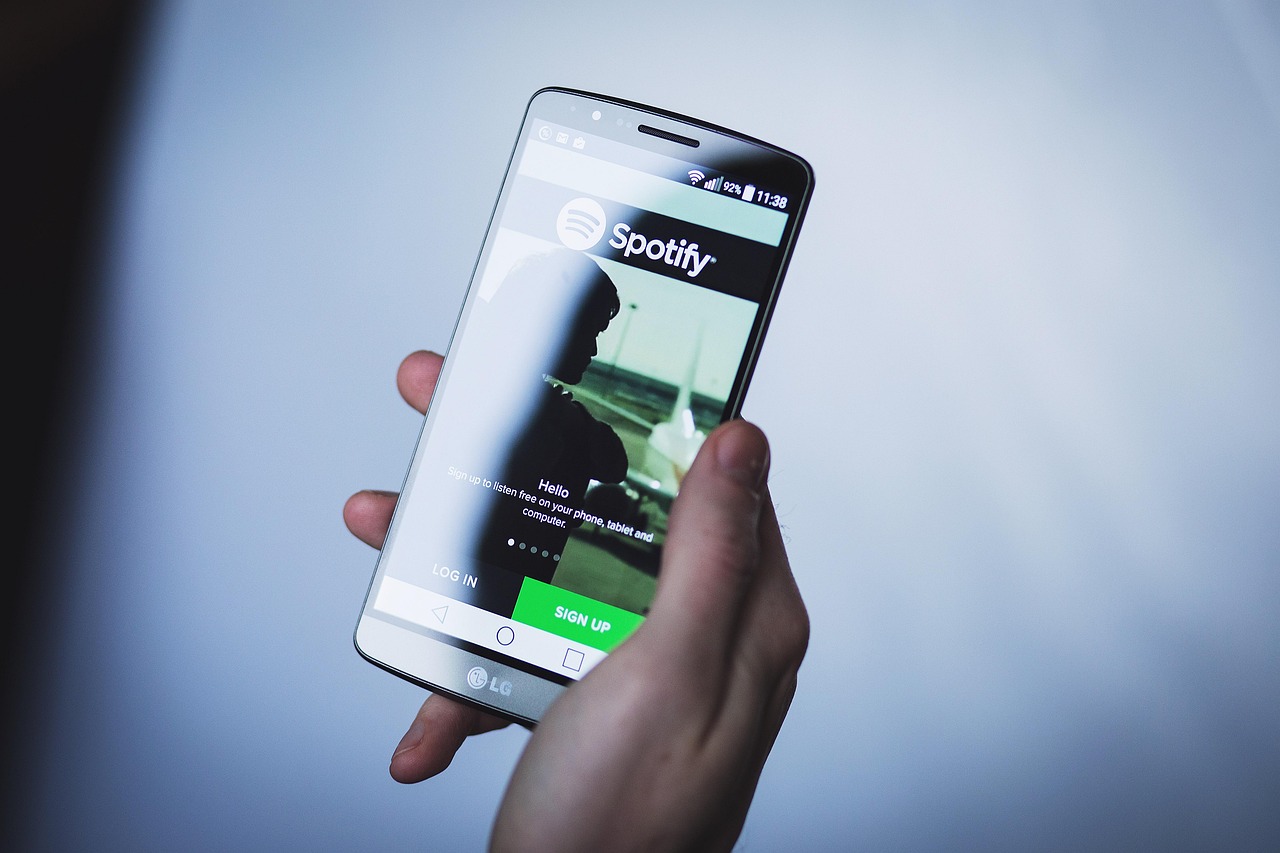
The emergence of streaming platforms has revolutionized the music industry, fundamentally altering how music is consumed and distributed. Services like Spotify, Apple Music, and Tidal have gained immense popularity, allowing users to access vast libraries of songs with just a few clicks. This shift began in the early 2010s, as consumers increasingly favored convenience and instant access over traditional purchasing methods.
The ability to stream music on-demand has not only changed listening habits but has also led to a decline in physical album sales and digital downloads. As streaming platforms continue to grow, they have become the primary means through which listeners engage with music. The subscription-based model offers users an affordable way to explore diverse genres and discover new artists.
This accessibility has democratized music consumption, enabling independent musicians to reach global audiences without the need for major label backing. Consequently, the rise of streaming has reshaped the landscape of the music industry, creating both opportunities and challenges for artists and record labels alike.
Key Takeaways
- Streaming platforms have revolutionized the music industry, changing the way music is consumed and distributed.
- Album sales and revenue have been significantly impacted by the rise of streaming, with a shift towards single track consumption.
- Music promotion and marketing have been heavily influenced by streaming, with artists utilizing platforms to reach a wider audience.
- Independent artists face both challenges and opportunities in the streaming era, with increased access to audiences but also heightened competition.
- The future of streaming will continue to shape music genres and trends, as well as impact the live music and concert industry.
Impact on Album Sales and Revenue
The impact of streaming on album sales and revenue has been profound. Traditional metrics for measuring success, such as album sales and chart positions, have been significantly altered by the prevalence of streaming. In the past, artists relied heavily on physical album sales for income, but with the advent of streaming, revenue models have shifted.
While streaming services pay artists per stream, the rates are often criticized as being low, leading to concerns about fair compensation for musicians. Despite these challenges, streaming has also opened new revenue streams for artists. For instance, many musicians now supplement their income through merchandise sales and live performances, capitalizing on their online presence to build a loyal fan base.
Additionally, the data provided by streaming platforms allows artists to understand their audience better, enabling them to tailor their marketing strategies and engage with fans more effectively. This shift in revenue dynamics illustrates the complex relationship between streaming and the financial health of the music industry.
Changing Trends in Music Consumption
The way people consume music has undergone a significant transformation due to streaming services. Listeners are now more inclined to create personalized playlists rather than purchasing entire albums. This trend reflects a shift towards curated experiences, where users can easily access their favorite tracks without the commitment of buying an album.
Moreover, the rise of algorithm-driven recommendations has introduced listeners to a broader array of music than ever before, fostering a culture of exploration and discovery. Streaming has also influenced the frequency with which people listen to music. With instant access to millions of songs, users can easily switch between genres and artists, leading to a more eclectic listening experience.
This change has implications for how artists create music; many are now focusing on producing singles that can capture attention quickly rather than crafting full albums. As a result, the traditional album format is evolving, reflecting the preferences of a generation that values immediacy and variety in their musical experiences.
Influence on Artist Promotion and Marketing
| Platform | Metrics | Impact |
| Followers, Likes, Comments | Direct engagement with fans and potential reach | |
| YouTube | Views, Subscribers, Watch Time | Exposure to a wide audience and potential for monetization |
| Spotify | Streams, Monthly Listeners, Playlist Adds | Increased visibility and potential for revenue through streaming |
| TikTok | Video Views, Shares, Challenges Participation | Viral potential and reaching younger demographics |
The rise of streaming platforms has transformed artist promotion and marketing strategies significantly. Social media integration with these platforms allows artists to connect directly with fans, fostering a sense of community and engagement that was previously difficult to achieve. Musicians can now share their work instantly, promote upcoming releases, and interact with their audience in real-time.
This direct line of communication has empowered artists to take control of their branding and marketing efforts. Moreover, data analytics provided by streaming services enable artists and labels to track listener demographics and preferences. This information is invaluable for tailoring marketing campaigns and identifying potential touring markets.
For example, an artist may discover that they have a significant following in a particular city through streaming data, prompting them to schedule a concert there. This data-driven approach not only enhances promotional efforts but also allows for more strategic decision-making in an artist’s career.
Shift in Music Discovery and Listening Habits
Streaming platforms have fundamentally altered how listeners discover new music. The traditional methods of discovering music—such as radio play or word-of-mouth recommendations—have been supplemented by algorithmic playlists and curated selections from both platforms and influencers. Playlists like Spotify’s “Discover Weekly” or Apple Music’s “For You” feature personalized recommendations based on listening habits, making it easier for users to find new artists that align with their tastes.
This shift in discovery methods has led to a more diverse musical landscape, as lesser-known artists can gain exposure alongside mainstream acts. The viral nature of social media also plays a crucial role in this process; songs can quickly gain traction through platforms like TikTok or Instagram, propelling them into the mainstream consciousness almost overnight. As a result, listeners are not only consuming music differently but are also engaging with it in ways that prioritize immediacy and shareability.
Challenges and Opportunities for Independent Artists
Challenges in the Streaming Era
While streaming platforms offer unprecedented opportunities for independent artists to reach global audiences, they also present significant challenges. One major hurdle is the low payout rates associated with streaming services, which can make it difficult for independent musicians to sustain a living solely from their music. Many independent artists find themselves relying on alternative revenue streams such as merchandise sales or crowdfunding campaigns to support their careers.
Democratization of Music Distribution
However, the democratization of music distribution through streaming platforms has enabled independent artists to bypass traditional gatekeepers like record labels. This newfound autonomy allows them to maintain creative control over their work while building direct relationships with their fans.
Empowering Independent Musicians
Additionally, platforms like Bandcamp provide independent musicians with tools to sell their music directly to consumers, further enhancing their ability to thrive in an increasingly competitive landscape.
Evolution of Music Distribution and Licensing
The evolution of music distribution and licensing has been significantly influenced by the rise of streaming services. In the past, physical distribution through record stores was the primary means of getting music into consumers’ hands. Today, digital distribution has become the norm, with artists able to upload their music directly to platforms like Spotify or Apple Music without needing a record label’s support.
This shift has streamlined the process of getting music to listeners while also reducing costs associated with physical production. Licensing agreements have also evolved in response to the changing landscape. Streaming services often negotiate complex licensing deals with record labels and rights holders to ensure that artists receive compensation for their work.
However, these agreements can be intricate and vary widely between platforms, leading to ongoing debates about fair compensation within the industry. As streaming continues to dominate music distribution, it will be essential for all stakeholders—artists, labels, and platforms—to navigate these complexities effectively.
Effect on Live Music and Concert Industry
The rise of streaming has had a notable impact on the live music and concert industry as well. With more people consuming music digitally, there is a growing expectation for live experiences that complement this consumption model. Artists are increasingly using live performances as a way to connect with fans who have discovered them through streaming platforms.
Concerts have become not just an opportunity to showcase new material but also a vital revenue source in an era where recorded music sales have declined. Moreover, live-streaming concerts have gained popularity as a way for artists to reach audiences who may not be able to attend in person due to geographical or financial constraints. Platforms like YouTube and Twitch have facilitated this trend by allowing artists to broadcast performances live or share recorded shows with fans worldwide.
This evolution reflects a broader shift towards hybrid experiences that blend digital engagement with traditional live performances.
Streaming’s Role in Shaping Music Genres and Trends
Streaming services have played a pivotal role in shaping contemporary music genres and trends by providing a platform for diverse sounds to flourish. The accessibility of these platforms allows niche genres—such as lo-fi hip-hop or bedroom pop—to gain traction among listeners who may not have encountered them through traditional channels. As algorithms recommend songs based on user preferences, listeners are exposed to a wider variety of styles than ever before.
Additionally, streaming has facilitated cross-genre collaborations that might not have occurred in a more segmented industry landscape. Artists from different backgrounds can easily collaborate on projects that blend elements from various genres, resulting in innovative sounds that resonate with diverse audiences. This blending of styles reflects a broader cultural shift towards inclusivity and experimentation within the music industry.
Future of Streaming and Its Impact on the Music Industry
Looking ahead, the future of streaming is poised to continue shaping the music industry in profound ways. As technology advances, we may see further innovations in how music is consumed and monetized. For instance, developments in artificial intelligence could lead to even more personalized listening experiences or enhanced tools for artists to create and promote their work.
However, challenges remain regarding fair compensation for artists within this evolving landscape. Ongoing discussions about payment models will likely influence how streaming services operate moving forward. As the industry adapts to these changes, it will be crucial for all stakeholders—artists, labels, and consumers—to engage in conversations about sustainability and equity within the realm of digital music consumption.
Ultimately, the future of streaming will continue to redefine not only how we listen to music but also how it is created, marketed, and experienced globally.
FAQs
What is streaming and how has it changed the music industry?
Streaming refers to the digital distribution of music over the internet, allowing users to access and listen to music on-demand. It has revolutionized the music industry by shifting the focus from physical album sales to online streaming platforms, changing the way music is consumed, distributed, and monetized.
What are the rising streaming platforms and how have they impacted album sales and revenue?
Popular streaming platforms such as Spotify, Apple Music, and Amazon Music have significantly impacted album sales and revenue by providing a convenient and affordable way for consumers to access a vast library of music. This has led to a decline in physical and digital album sales, while streaming revenue has become a major source of income for the music industry.
How have music consumption trends changed with the rise of streaming?
The rise of streaming has led to a shift in music consumption trends, with a greater emphasis on individual song plays rather than full album purchases. This has also led to the resurgence of singles as a dominant format in the music industry.
What influence has streaming had on artist promotion and marketing?
Streaming has changed the way artists promote and market their music, as they now focus on securing placements on popular playlists and maximizing streaming numbers to increase their visibility and reach a wider audience.
How has streaming changed music discovery and listening habits?
Streaming has made music discovery more accessible and personalized, allowing users to explore a wide range of genres and artists through curated playlists, algorithmic recommendations, and user-generated content. This has led to a more diverse and eclectic listening experience for music consumers.
What are the challenges and opportunities for independent artists in the streaming era?
While streaming has provided independent artists with a platform to reach a global audience without the need for major label support, it has also created challenges in terms of standing out in a crowded market and earning a sustainable income from streaming royalties.
How has music distribution and licensing evolved with the rise of streaming?
Streaming has transformed music distribution and licensing by providing a direct-to-consumer model that bypasses traditional physical distribution channels. It has also led to new licensing models and revenue streams for artists and rights holders.
What effect has streaming had on the live music and concert industry?
Streaming has impacted the live music and concert industry by changing the way artists connect with their fans and promoting live events. It has also created opportunities for live streaming concerts and virtual events, especially during times of limited in-person gatherings.
How has streaming shaped music genres and trends?
Streaming has played a significant role in shaping music genres and trends by democratizing access to a wide range of music, allowing niche genres to thrive, and influencing the creation of new hybrid genres through cross-pollination of styles and influences.
What is the future of streaming and its impact on the music industry?
The future of streaming in the music industry is expected to continue evolving with advancements in technology, data analytics, and user experience. It will likely continue to influence how music is created, distributed, and consumed, while presenting both challenges and opportunities for artists, labels, and music industry stakeholders.
