


How to Start a Small Business: Your Essential Guide
Embarking on the journey to start a small business can be an exhilarating yet challenging endeavor. This comprehensive guide will walk you through the essential steps, from conceptualization to growth, providing actionable insights for aspiring business owners.
Identifying Your Business Idea

The foundational step in starting a small business is to pinpoint a viable business idea that resonates with your passions and market demands. This initial phase requires significant introspection and external analysis to ensure you are setting yourself up for a successful business. Understanding your strengths and weaknesses as an entrepreneur will greatly influence the type of startup you choose to pursue.
Finding a Profitable Small Business Idea
To truly start a business that thrives, you must begin by finding a profitable small business idea. This involves more than just a passing interest; it requires thorough market research to identify gaps or unmet needs that your product or service can fulfill. Many aspiring business owners often overlook this critical step, leading to challenges later when trying to grow their business. Consider what unique value proposition you can offer to your target audience.
Evaluating Your Business Idea
Once you have a potential small business idea, the next crucial step is rigorously evaluating its viability. This involves assessing factors such as market demand, competition, and your own capabilities to bring the idea to fruition. A strong business idea will withstand scrutiny and demonstrate the potential for a sustainable revenue stream. This evaluation is critical before investing significant time or resources into building a business.
Testing Your Business Concept
Before fully committing to your new business, it’s prudent to test your business concept with potential customers. This vital step in starting a business allows you to gather feedback, refine your product or service, and validate your assumptions about the market. Whether through surveys, focus groups, or a minimum viable product, testing can save you from costly mistakes and help ensure your startup resonates with its intended audience, providing essential tips for starting a small venture.
Planning Your Business

Every successful company begins with a clear strategy. Whether you’re launching an online business, operating a business from home, or opening a physical location, careful planning lays the groundwork for long-term business success. Before you start your own business, it’s important to understand your market, define your goals, and create a roadmap that guides every stage of growth.
Planning your business helps reduce risk, improve decision-making, and prepare you for the challenges of the competitive business world. By following proven steps to get started, you’ll be in a much stronger position to build a profitable and sustainable company.
Creating a Comprehensive Business Plan
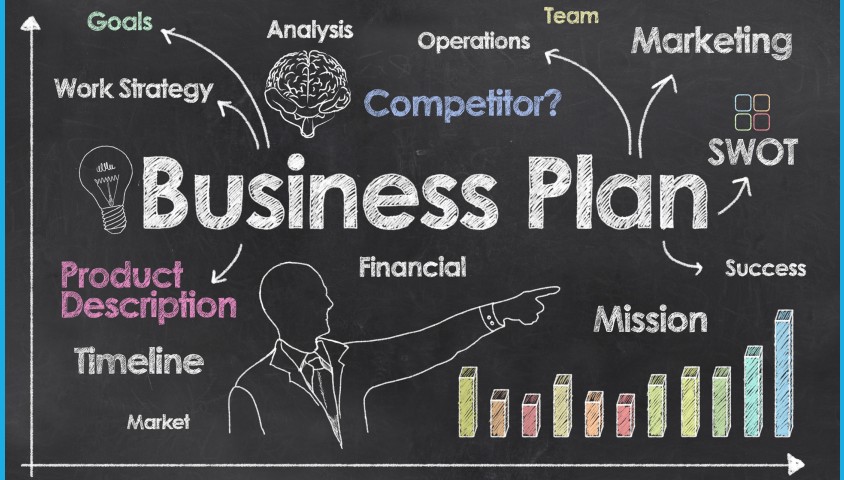
A well-written business plan is one of the most valuable tools any entrepreneur can create. It provides direction, helps secure financing, and serves as a roadmap for future growth.
Simply put, your business plan is the foundation upon which your entire company is built.
What Should a Business Plan Include?
A comprehensive business plan outlines every major aspect of your company, including:
- Executive summary
- Business description
- Market research
- Competitor analysis
- Products or services
- Marketing plan
- Operations strategy
- Financial projections
- Funding requirements
Having a detailed plan allows business owners to identify opportunities, anticipate challenges, and make informed decisions.
Why Your Business Plan Matters
A professional business plan helps with:
- Attracting investors
- Securing business loans
- Obtaining grants
- Guiding daily operations
- Measuring business performance
Whether you’re launching the best small business for your skills or building a large company, a strong plan increases your chances of long-term success.
Research Your Market
Understanding your customers is essential before you start your business.
Research should include:
- Target audience
- Customer needs
- Competitor analysis
- Industry trends
- Pricing strategies
- Market demand
Knowing your market helps you develop products and services that truly meet business needs while positioning your company for growth.
Setting Your Business Goals
Clear goals give your business direction and provide measurable milestones to track your progress.
Without defined objectives, it’s difficult to evaluate performance or plan for future business growth.
Use SMART Goals
Successful entrepreneurs establish goals that are:
- Specific
- Measurable
- Achievable
- Relevant
- Time-bound
SMART goals help prioritize tasks and improve accountability throughout your organization.
Examples of Business Goals
Common objectives include:
- Increasing monthly revenue
- Expanding your customer base
- Launching new products
- Hiring additional staff
- Improving customer satisfaction
- Growing online visibility
These measurable targets provide a clear path toward growing a business successfully.
Build a Marketing Strategy
Every business needs a well-defined marketing plan to attract customers.
Effective marketing may include:
- Search engine optimization (SEO)
- Email marketing
- Paid advertising
- Content marketing
- Social media campaigns
- Referral programs
Developing a strong social media presence also helps increase brand awareness and connect with potential customers.
Choosing the Right Business Structure

Selecting the appropriate legal structure is one of the most important decisions you’ll make when launching your company.
Your chosen business structure affects taxation, liability, ownership, and regulatory requirements.
Common Business Structures
Popular options include:
- Sole proprietorship
- Partnership
- Limited Liability Company (LLC)
- Corporation
Each kind of business structure offers different benefits depending on your goals and risk tolerance.
Sole Proprietorship
A sole proprietorship is one of the simplest ways to start your own business.
Advantages include:
- Easy setup
- Minimal paperwork
- Full control
However, this structure does not create a separate legal entity, meaning your business and personal assets are legally connected.
Limited Liability Company (LLC)
An LLC creates a separate legal entity that helps protect personal assets from business liabilities.
This structure is often ideal for entrepreneurs seeking:
- Personal liability protection
- Tax flexibility
- Operational simplicity
Many startups choose an LLC because it combines flexibility with legal protection.
Register Your Business
Once you’ve selected your structure, you’ll need to complete your business registration.
Depending on your location, this may include:
- Registering your company name
- Obtaining a business license
- Applying for an Employer Identification Number
- Registering for taxes
- Meeting local regulations
Many entrepreneurs consult business professionals, accountants, or attorneys to ensure compliance during the registration process.
Building a Strong Business Foundation

Planning doesn’t end after registration. Establishing strong financial and operational systems early will support long-term growth.
Separate Business Finances
One of the smartest financial decisions is opening a dedicated business bank account.
Keeping business and personal finances separate simplifies:
- Bookkeeping
- Tax preparation
- Expense tracking
- Financial reporting
It also enhances your company’s professionalism.
Prepare to Hire Employees
As your company expands, you may eventually need to hire employees.
Before hiring, consider:
- Payroll systems
- Employment regulations
- Insurance requirements
- Workplace policies
- Training procedures
Proper planning makes future expansion much smoother.
Build for Growth
Every entrepreneur should think beyond launch day.
Whether your goal is operating a business from home, expanding an online business, or building a highly lucrative business, planning ahead allows you to take your company to the next stage.
Focus on:
- Customer satisfaction
- Process improvement
- Marketing
- Financial management
- Innovation
These strategies help grow your small business while creating opportunities for long-term success.
Start Your Business with Confidence

Launching a company requires careful planning, commitment, and persistence. Whether you choose a business based on your passion, experience, or market demand, every successful business involves thoughtful preparation before opening your doors.
Start by choosing a business idea that solves real problems, then choose a business name that reflects your brand and appeals to your target audience. Complete your business registration, obtain any required business license, apply for an Employer Identification Number, and consider opening a dedicated business bank account to separate business and personal finances.
Resources from the Small Business Administration can provide valuable guidance on financing, legal compliance, and securing business funding. Whether you’re launching a business with limited startup capital, building a home office, or creating an innovative online business, these proven tips for success will help establish a strong foundation.
Every successful venture begins with a plan, and every business takes time, patience, and consistent effort to grow. By choosing the right structure, setting meaningful goals, developing a solid marketing plan, and working with experienced business professionals, you’ll be well-positioned to run your business, achieve sustainable business growth, and ultimately take your business to the next level.
Legal Requirements for Starting a Business

Register Your Business Name
Once you’ve decided to start a business and chosen a viable business idea, one of the first legal steps is to register your business name. This crucial step not only secures your brand identity but also ensures you comply with local, state, and federal regulations. Choosing a memorable and relevant business name is important, but equally vital is checking its availability and registering it correctly to avoid future legal disputes and help your small business grow with a strong foundation. This process is essential for setting up a successful business.
Obtaining Necessary Licenses and Permits
To legally operate your new business, obtaining the necessary licenses and permits is a critical requirement that small business owners must address. Depending on your industry, business structure, and business location, you may need various federal, state, and local permits. Failing to secure these essential documents can lead to significant fines or even the forced closure of your startup. Researching these requirements thoroughly helps ensure your small business operates compliantly from day one, laying a smooth path to grow your business.
Understanding Business Administration Basics
Understanding business administration basics is fundamental for any entrepreneur looking to start and grow a successful business. This involves familiarizing yourself with legal obligations, tax responsibilities, and operational procedures that govern small business owners. Proper administration ensures your business runs efficiently, complies with all regulations, and avoids potential pitfalls. Mastering these basics is an essential step towards building a sustainable and profitable business, allowing you to focus on developing your product or service and reaching your target audience effectively.
Financial Considerations

Funding Your Business: Options and Strategies
Securing adequate funding is a pivotal step when you start a small business, as it directly impacts your ability to launch and grow your business. There are various options available, ranging from personal savings, small business loans, angel investors, venture capital, and crowdfunding. Crafting a robust business plan with clear financial projections is essential for attracting potential investors or lenders. Exploring different funding strategies will help small business owners choose the best path to ensure their startup has the necessary capital to thrive and achieve its goals.
Opening a Business Bank Account
To effectively manage your personal and business finances, one of the most crucial steps is to open a business bank account separate from your personal accounts. This separation is vital for several reasons: it simplifies accounting, enhances credibility with customers and suppliers, and is often a legal requirement depending on your business structure, especially for LLCs or corporations. Having a dedicated business bank account streamlines financial tracking, making tax preparation easier and providing a clear overview of your small business’s financial health, which is essential for any successful business.
Managing Your Business Finances
Effective management of your business finances is paramount for the long-term success and sustainability of your small business. This involves meticulous budgeting, tracking expenses, monitoring cash flow, and understanding your profit and loss statements. Regular financial review helps small business owners make informed decisions, identify areas for improvement, and plan for future growth. Implementing sound financial practices from the outset ensures your startup remains solvent, profitable, and capable of adapting to market changes, which is crucial for any entrepreneur aiming to grow their business.
Market Research and Business Location

Conducting Market Research
Conducting thorough market research is an absolutely essential step for anyone looking to start a small business. This process involves gathering and analyzing information about your potential customers, competitors, and the overall industry landscape to validate your business idea. Understanding the demand for your product or service and identifying gaps in the market will allow you to refine your offerings and develop a strong business plan, significantly increasing your chances of building a successful business from scratch. It is one of the most vital tips for starting a small venture, ensuring you meet the needs of your target audience.
Choosing the Right Business Location
Choosing the right business location is a critical decision that can profoundly impact the success of your startup, especially for businesses with a physical presence. The ideal business location should be easily accessible to your target audience, offer sufficient visibility, and align with your operational needs and budget. Factors such as local demographics, foot traffic, proximity to suppliers, and competitors all play a crucial role. A well-chosen location can help your new business thrive and grow, making it one of the foundational steps to start and grow your business effectively.
Identifying Your Target Market
Identifying your target market is fundamental to developing a strong business and marketing strategy for your small business. This involves understanding who your ideal customers are, including their demographics, psychographics, needs, and buying behaviors. Once you clearly define your target audience, you can tailor your product or service, marketing messages, and sales efforts to resonate specifically with them. This focused approach helps small business owners allocate resources more efficiently and build a more profitable business, laying the groundwork for how to grow your business successfully.
Launching and Growing Your Business

Tips for Starting a Small Business
Launching your small business requires a strategic approach, encompassing various essential steps to ensure a smooth and successful start. Beyond developing a solid business plan and securing funding, focus on building a strong brand identity, creating a compelling product or service, and establishing efficient operational processes. Embracing adaptability and continuous learning as an entrepreneur will also prove invaluable. These tips for starting a small venture are designed to equip new business owners with the foundational knowledge needed to navigate the initial challenges and set the stage for sustained growth.
Marketing Your Business Effectively
Effective marketing is paramount for any new business aiming to reach its target audience and achieve a successful business launch. Developing a comprehensive marketing strategy involves understanding your customers’ preferences and utilizing various channels, such as digital marketing, social media, content marketing, and traditional advertising, to promote your product or service. Consistent and compelling messaging will build brand awareness and attract potential customers, driving initial sales and laying the groundwork for how your small business will grow. This proactive approach ensures your startup gains traction in a competitive market.
Strategies to Grow Your Business
Once your small business is established, implementing robust strategies to grow your business becomes the next crucial phase. This can involve expanding your product or service offerings, entering new markets, forming strategic partnerships, or enhancing customer loyalty programs. Continuous market research will help identify new opportunities and adapt to changing customer needs. For small business owners, reinvesting profits, optimizing operational efficiency, and cultivating a strong brand reputation are key to scaling operations and ensuring the long-term sustainability and profitability of your venture.
