


Build a Strong Brand: A Guide to Building Your Brand Identity
In today’s competitive marketplace, building a strong brand is no longer an option but a necessity for any business aiming for long-term success. This guide will walk you through the essential steps to build a brand that not only stands out but also resonates deeply with your target audience, fostering loyalty and driving growth.
Define Your Brand
Understanding Brand Identity
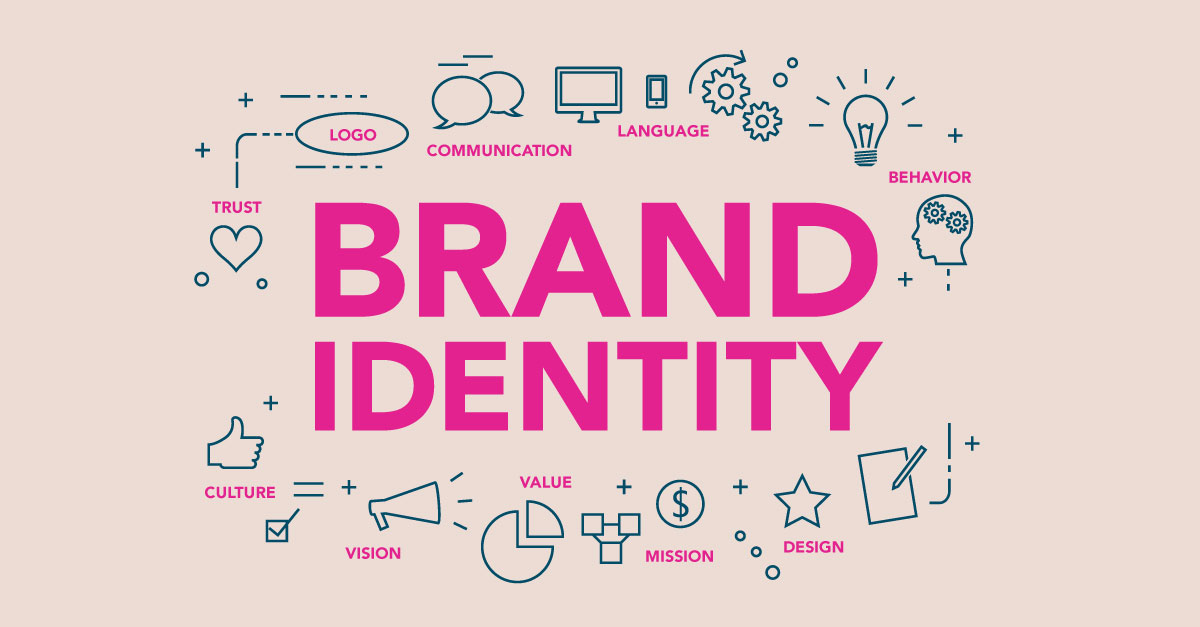
A foundational step in how to build a strong brand is to understand your brand identity, which is essentially the personality of your business. It encompasses all the visible elements of your brand, such as your logo, color palette, typography, and imagery, as well as the intangible aspects like your brand voice, brand values, and overall brand messaging. A clear brand identity helps your product or service differentiate itself in the market, making it easier for your target audience to recognize and connect with your company’s brand. This unique identity is crucial for building brand awareness and fostering strong brand equity over time.
Elements of a Strong Brand
To build a strong brand, several key elements must be meticulously developed. These include a memorable logo design, a consistent brand voice that reflects your brand values, and a compelling brand story that helps you build trust with your audience. An effective brand also possesses a unique selling proposition that sets it apart from competitors. Think about iconic brands like Coca-Cola; their strong brand identity, consistent customer experience, and unwavering brand guidelines have allowed them to maintain brand recognition and attract loyal customers for decades. These elements are integral to developing a brand that can truly resonate.
Creating a Compelling Brand Message
Creating a compelling brand message is paramount to positioning your brand effectively in the minds of consumers. Your brand messaging should clearly articulate what your product or service offers, what problem it solves, and why it is the best brand choice for your target audience. This message needs to be consistent across all platforms, including your website and social media, to help you build a cohesive brand image. A clear brand message not only helps to attract new customers but also reinforces the brand’s identity with existing ones, contributing significantly to a successful brand strategy and overall brand management.
Building Your Brand Strategy

Identifying Your Target Audience
Identifying your target audience is a critical initial step in developing a strong brand strategy. To truly build a brand that resonates, you must first understand who you are trying to reach. This involves conducting thorough market research to pinpoint the specific demographics, psychographics, needs, and preferences of your ideal customers. A clear understanding of your target audience enables you to tailor your brand messaging, product or service offerings, and overall communication to effectively attract and engage them. This focused approach ensures that your efforts in building a strong brand identity are not diluted but instead precisely targeted, leading to more successful brand recognition and the cultivation of loyal customers.
Establishing Brand Equity
Establishing brand equity is fundamental to building a strong brand and ensuring its long-term success. Brand equity represents the value a brand adds to a product or service, beyond the functional benefits it offers. It’s built over time through consistent delivery of quality, positive customer experiences, and effective brand messaging that cultivates brand awareness and association. A high level of brand equity can differentiate your brand from competitors, allowing you to command premium pricing and expand your market reach. Investing in initiatives that enhance brand perception, such as maintaining robust brand guidelines and fostering a unique brand voice, helps in establishing and preserving this invaluable asset, making it a truly successful brand.
Developing a Brand Image
Developing a compelling brand image is essential for any business looking to build a strong brand identity. Your brand image is the perception consumers have of your brand, shaped by every interaction they have with your product or service, from your logo design to your customer experience. To create a brand that truly stands out, it’s imperative to consistently reflect your brand values and communicate a clear brand message across all touchpoints, including your website and social media. A well-crafted brand image not only helps to position your brand effectively in the marketplace but also plays a crucial role in building trust and fostering a strong emotional connection with your target audience, ultimately helping you build a strong brand.
Creating Your Brand from Scratch

Building a successful brand from the ground up requires much more than designing a logo or choosing a memorable business name. It involves developing a clear identity, establishing trust, and creating meaningful connections with your target customers across every interaction. A strong brand helps businesses differentiate themselves in competitive markets, build credibility, and create lasting relationships that drive long-term growth.
Whether you’re launching a startup or rebranding an existing company, following a structured branding process will help you create a strong, recognizable identity that can stand the test of time.
Steps to Build a Brand
Building a successful brand begins with understanding who you are, who you serve, and what makes your business different. Every decision you make should support your long-term vision while helping your brand for your business connect with the right audience.
Define Your Brand Identity
Before creating logos or marketing campaigns, clearly define your brand’s foundation.
Ask yourself:
- What does your business stand for?
- What problems do you solve?
- What makes your company unique?
- What values guide your decisions?
- What emotions do you want customers to associate with your brand?
These answers become the basis of your brand attributes, helping you develop a memorable and authentic identity.
Understand Your Target Audience
One of the most important steps in creating a successful brand is to understand your target audience.
Research your ideal customers by identifying their:
- Demographics
- Interests
- Buying habits
- Pain points
- Goals
- Online behavior
The better you understand your audience, the easier it becomes to create products, services, and messaging that genuinely resonate with them.
Create Your Visual Identity
Your visual identity is often the first impression people have of your business.
It should include consistent visual elements, such as:
- Company logo
- Brand colors
- Typography
- Photography style
- Graphic elements
- Website design
Clear logo usage guidelines help ensure your brand appears consistently across every platform and marketing material.
Develop Your Brand Promise
Your brand promise communicates what customers can consistently expect from your business.
Whether your promise focuses on quality, affordability, innovation, or customer service, every experience should reinforce that commitment.
Remaining true to your brand helps build trust while creating stronger emotional connections with your audience.
Build a Consistent Brand Voice
Your communication style should remain consistent across:
- Website content
- Email marketing
- Advertising
- Customer support
- Blog articles
- Social media platforms
- Social media accounts
A recognizable voice strengthens your identity and helps customers immediately recognize your brand wherever they encounter it.
Measuring Customer Experience
Building a successful brand doesn’t end once your logo and messaging are complete. Every customer interaction influences how people perceive your business.
Monitoring and improving customer experience is essential for building both brand loyalty and customer loyalty.
Evaluate Every Customer Touchpoint
Every interaction with your business represents a touchpoint that shapes customer perception.
These touchpoints include:
- Website visits
- Product purchases
- Customer service
- Email communication
- Social media interactions
- Packaging
- After-sales support
Consistently delivering excellent experiences across every touchpoint helps create a trusted brand that customers confidently recommend.
Monitor Customer Feedback
Listening to your customers provides valuable insights into areas that require improvement.
Gather feedback through:
- Surveys
- Customer interviews
- Support conversations
- Online reviews
- Social media comments
This information allows businesses to refine products, improve service, and strengthen their overall brand experience.
Empower Every Employee
Branding isn’t limited to your marketing department.
Every employee contributes to how customers experience your company.
Providing staff with clear brand guidelines ensures everyone communicates consistently while delivering experiences that reflect your company’s values.
When the entire organization supports the brand, it becomes easier to create a stronger brand that customers trust.
Build a Loyal Customer Base
Exceptional customer experiences naturally create a loyal customer base.
Satisfied customers are more likely to:
- Make repeat purchases
- Recommend your business
- Leave positive reviews
- Share your content
- Become long-term brand advocates
Strong relationships also improve your customer base, reducing acquisition costs while increasing lifetime customer value.
Adapting to Market Changes

Even the most successful brands must continue evolving to remain relevant.
Consumer expectations, technology, and industry trends change rapidly, making adaptability a key part of every effective brand strategy.
Monitor Industry Trends
Successful businesses regularly evaluate:
- Market trends
- Competitor activity
- Consumer preferences
- Emerging technologies
- Customer behavior
Staying informed allows you to respond quickly while maintaining a competitive advantage.
Refine Your Brand Strategy
As your business grows, your branding should evolve alongside it.
Regularly review your:
- Messaging
- Products
- Services
- Marketing campaigns
- Website
- Visual identity
These updates help strengthen their brand while ensuring your business continues to meet changing customer expectations.
Stay Active on Digital Platforms
Your online presence plays a significant role in modern branding.
Maintain consistent branding across your:
- Website
- Blog
- Social media platforms
- Social media accounts
- Online directories
- Email marketing
A unified digital presence reinforces credibility while helping your business stand out from competitors.
Continue Building Trust
Trust isn’t earned overnight.
Consistently delivering quality products, excellent customer service, and transparent communication helps establish a powerful brand that customers rely on.
Businesses that remain authentic while adapting to change are far more likely to build lasting relationships and sustainable growth.
Build a Brand That Lasts

Every business has the opportunity to create a brand that people recognize, trust, and recommend. By following a structured branding process, developing a compelling visual identity, defining clear brand attributes, and consistently delivering on your brand promise, you create a strong foundation for long-term success.
The most successful companies continually evaluate customer feedback, improve every customer touchpoint, and remain true to your brand while adapting to changing market conditions. Whether you’re launching a startup or looking to build your business further, investing in an effective brand strategy helps you create a trusted brand that attracts your ideal audience, builds lasting customer loyalty, and develops a loyal customer base that will stand the test of time. In today’s highly competitive markets, a memorable brand isn’t just an advantage—it’s one of the most valuable assets every business can own.
Building a Successful Brand

Maintaining Brand Consistency
Maintaining brand consistency is absolutely crucial for any business striving to build a strong brand and develop a lasting brand identity. Every single interaction a customer has with your product or service, from your logo design on your website and social media to the tone of your brand messaging, must reflect your brand values and brand voice. Adhering to strict brand guidelines ensures that your unique identity is consistently presented across all platforms, which helps to build brand awareness and brand recognition over time. This unwavering consistency allows you to position your brand effectively, reassuring your target audience and fostering the trust necessary to attract and retain loyal customers, ultimately contributing to a truly successful brand.
Engaging with Your Audience
Engaging with your audience is a cornerstone of building a strong brand and cultivating loyal customers. An effective brand understands that genuine interaction goes beyond simply broadcasting a brand message; it involves actively listening and responding to the needs and feedback of your target audience. Utilizing platforms like your website and social media to create a brand community allows for direct communication, helping to build trust and strengthen your brand’s identity. When your company’s brand actively seeks to understand and resonate with its audience, it demonstrates that it truly reflects your brand values, thereby enhancing brand equity and transforming casual consumers into advocates for your product or service, solidifying your position as the best brand.
Evaluating Brand Performance
Regularly evaluating brand performance is an indispensable step in ensuring the long-term success of any business aiming to build a strong brand. This involves meticulously analyzing key metrics related to brand awareness, brand recognition, and customer experience to gauge how effectively your brand strategy is resonating with your target audience. By continually assessing the impact of your brand messaging, logo design, and overall brand identity, you can identify areas for improvement and adapt your approach to maintain your competitive edge. This ongoing evaluation helps you build a strong brand, fine-tune your product or service offerings, and ensures that your unique identity continues to differentiate your company’s brand in the marketplace, helping to attract and retain loyal customers.
