


Effective Stress Management: Proven Ways to Reduce Stress
Discovering effective methods to reduce stress is essential for maintaining overall wellbeing in our fast-paced modern world. Stress management involves identifying the primary causes of stress and implementing practical ways to lower your daily stress levels, ensuring that you can better cope with stress before it negatively impacts your mental and physical health.
Understanding Stress and Its Causes
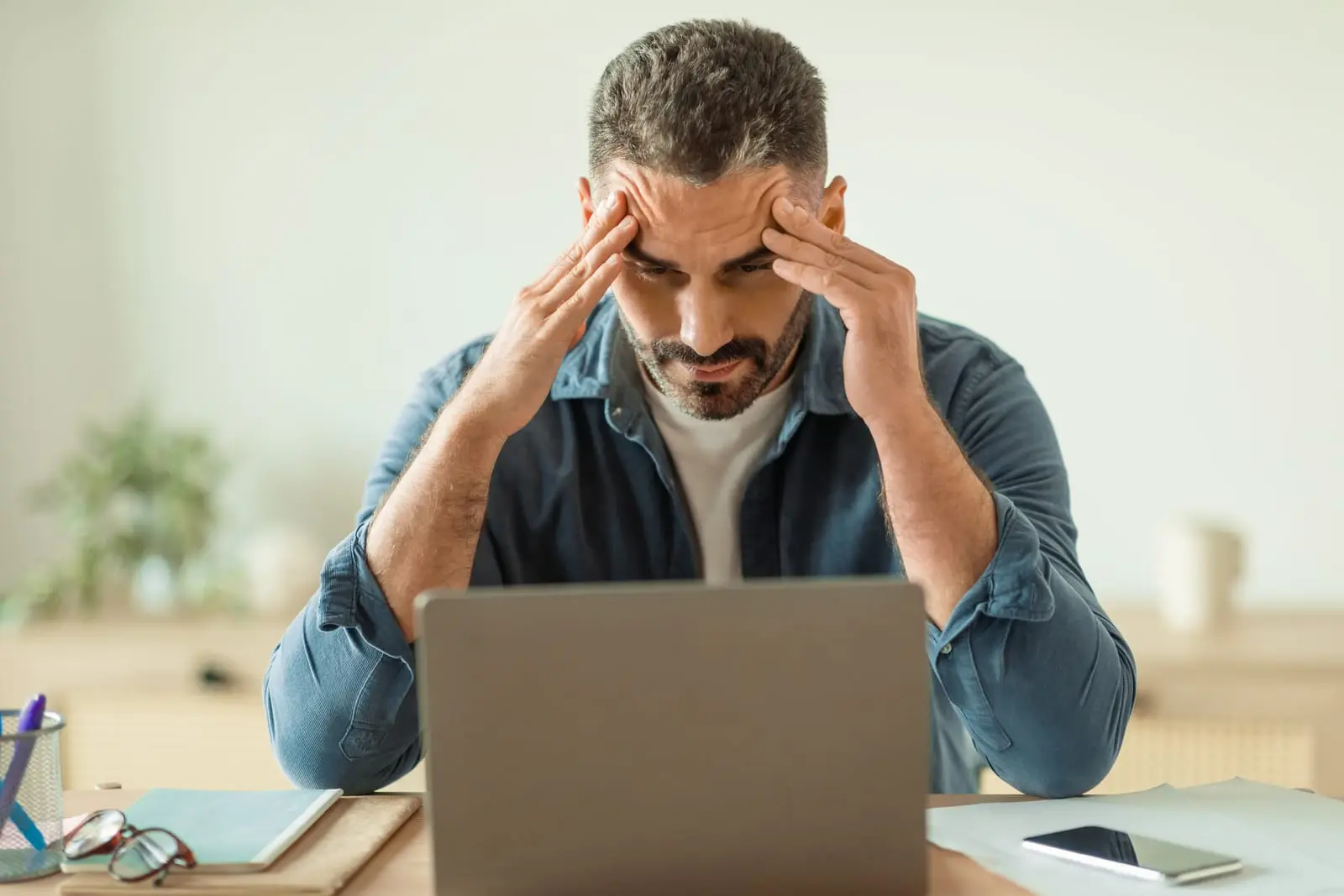
To successfully deal with stress, one must first understand the underlying mechanisms that trigger the body’s natural stress response. While feeling overwhelmed can happen to anyone when facing important tasks, recognizing the root causes of stress is the first step toward finding a healthy way to restore balance and protect your long-term health conditions.
What is Stress?
Stress is a normal part of life that acts as a survival mechanism when we encounter perceived threats or demanding situations. However, when the physical symptoms of stress persist without relief, it can severely impact both your physical and mental health, making it crucial to adopt effective strategies to reduce your stress and improve your quality of life.
Common Causes of Stress
Various factors can be responsible for causing you stress, ranging from workplace pressures and financial burdens to demanding relationships and major life transitions. Identifying these specific triggers is one of the most important ways to manage your daily life, allowing you to implement targeted stress busters and rely on strong social support systems.
Chronic Stress vs. Acute Stress
Distinguishing between acute stress and chronic stress is vital because long-term stress can lead to severe muscle tension and detrimental effects of stress on the body. While acute stress is short-lived, elevated levels of stress that continue over time require proactive ways to reduce stress and specific techniques to help reduce stress and keep your overall levels of stress manageable.
Ways to Reduce Stress: Effective Strategies for a Healthier, More Balanced Life
Stress is an unavoidable part of everyday life, but learning effective ways to reduce stress can make a significant difference to your physical health, mental well-being, and overall quality of life. Whether you’re dealing with demanding work responsibilities, financial pressures, relationship difficulties, or unexpected life changes, developing healthy coping strategies can help you navigate challenges with greater confidence.
Stress is a natural response to situations that your brain perceives as threatening, demanding, or overwhelming. When faced with stressful circumstances, your body activates its fight or flight response, triggering physiological changes that prepare you to respond to potential danger. These changes include the release of stress hormones such as adrenaline and cortisol, which can temporarily increase your heart rate, alertness, and energy levels.
Although short-term stress can sometimes improve motivation and performance, prolonged exposure to excessive stress can negatively affect your health. Chronic stress is bad for both physical and emotional well-being because it can contribute to sleep disturbances, digestive problems, headaches, muscle tension, and difficulties with concentration.
The good news is that adopting practical stress management techniques can help you regulate your responses to stress, develop healthier habits, and become more resilient when facing life’s challenges.
Healthy Ways to Cope with Stress
Finding healthy ways to cope with stress begins with understanding your personal triggers and recognizing how stressful situations affect your thoughts, emotions, and body.
Different people experience different feelings of stress, and the same situation may affect individuals in completely different ways. What one person considers a manageable challenge may feel overwhelming to someone else.
The amount of stress you experience often depends on your responsibilities, available support, physical health, and coping skills.
Common situations that may cause stress include:
- Heavy workloads and demanding deadlines.
- Financial uncertainty or unexpected expenses.
- Relationship conflicts and family responsibilities.
- Major life changes, such as moving or changing jobs.
- Poor sleep and inadequate rest.
- Ongoing health concerns.
- A lack of work-life balance.
- Feeling overwhelmed by multiple responsibilities.
Recognizing what stress causes in your own life is an important first step towards improving your emotional health.
Develop Healthy Coping Habits
Instead of relying on unhealthy coping mechanisms, focus on activities that support relaxation, emotional stability, and long-term resilience.
Effective strategies include:
- Engaging in enjoyable hobbies: Reading, gardening, cooking, painting, or listening to music can provide a welcome break from daily pressures.
- Maintaining social connections: Spending time with friends or family can provide emotional reassurance and a sense of belonging.
- Talking about your feelings: Sharing concerns with a trusted friend or family member may help you process difficult emotions and put things in perspective.
- Practising relaxation techniques: Deep breathing, meditation, and gentle stretching can help calm your nervous system.
- Setting realistic expectations: Avoid taking on more responsibilities than you can reasonably manage.
- Establishing healthy boundaries: Learning when to say no can prevent unnecessary pressure and protect your personal time.
According to guidance commonly shared by organizations such as the American Psychological Association, managing stress involves recognizing stressors, developing healthy coping skills, maintaining supportive relationships, and seeking professional assistance when necessary.
The goal is not to eliminate every stressful situation but to develop practical strategies that help you respond more effectively.
Physical Activity as a Stress Reliever
Regular physical activity is one of the most accessible and effective natural methods for managing stress. Exercise supports both physical and mental health by improving mood, encouraging relaxation, and helping the body recover from demanding experiences.
When you exercise, your body undergoes beneficial physiological changes that can help regulate your stress response. Physical activity also supports the release of mood-related chemicals, including endorphins, which may contribute to feelings of well-being.
Exercise can help:
- Reduce muscle tension and physical discomfort.
- Improve sleep quality.
- Support cardiovascular health.
- Enhance mood and emotional stability.
- Improve your ability to concentrate.
- Build confidence and self-esteem.
- Reduce symptoms associated with anxiety.
- Improve your ability to manage challenging situations.
Best Exercises to Help Reduce Stress
You don’t need an expensive gym membership or an intense workout routine to experience the benefits of physical activity.
Consider incorporating the following activities into your week:
| Physical Activity | Stress Management Benefits |
|---|---|
| Walking | Encourages relaxation, improves circulation, and provides a mental break. |
| Jogging | Supports cardiovascular fitness and may improve mood. |
| Swimming | Combines rhythmic movement with controlled breathing. |
| Yoga | Encourages flexibility, body awareness, and relaxation. |
| Cycling | Provides aerobic exercise while allowing you to enjoy the outdoors. |
| Dancing | Combines physical movement, music, and enjoyment. |
| Stretching | Helps relieve muscle tightness associated with stress. |
Even a short walk during your lunch break can help you reset mentally and return to work feeling refreshed.
Regular aerobic activity may also help lower blood pressure over time, particularly when combined with other healthy lifestyle habits. Exercise supports cardiovascular regulation, although its immediate effects on blood pressure and heart rate vary depending on the activity and intensity.
For the best results, choose activities you genuinely enjoy and gradually build a consistent routine.
Mindfulness Techniques to Manage Stress
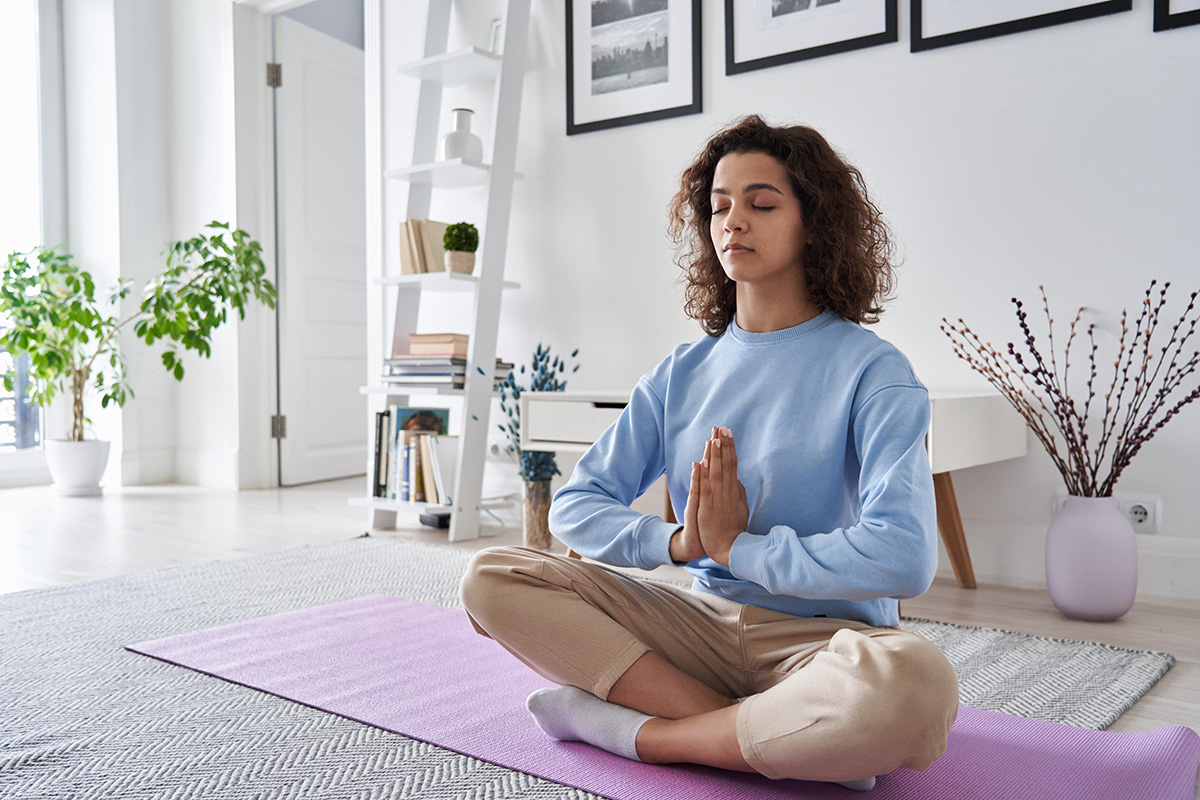
Mindfulness is a powerful technique for managing stress because it encourages you to focus on the present moment rather than becoming overwhelmed by worries about the past or future.
This practice can help you recognize negative thinking patterns, improve emotional awareness, and develop healthier reactions to stressful circumstances.
Practise Deep Breathing Exercises
Controlled breathing is a simple technique you can use almost anywhere when you begin to feel overwhelmed.
Try the following exercise:
- Find a quiet place where you can sit comfortably.
- Relax your shoulders and close your eyes if you feel comfortable doing so.
- Slowly inhale through your nose for approximately four seconds.
- Gently exhale for approximately six seconds without forcing your breath.
- Continue breathing slowly for two to five minutes.
- Notice how your body feels as you gradually relax.
Slow, comfortable breathing can help calm your mind and encourage the body’s relaxation response. In some circumstances, relaxation practices may temporarily lower blood pressure and heart rate, particularly when stress has caused them to rise.
Avoid forcing deep breaths or holding your breath if doing so makes you dizzy or uncomfortable.
Benefits of Mindfulness Meditation
Practising mindfulness regularly may help you:
- Improve emotional regulation.
- Reduce repetitive negative thinking.
- Develop greater self-awareness.
- Improve concentration.
- Respond more calmly to stressful events.
- Support better sleep.
- Strengthen overall emotional well-being.
Some research suggests mindfulness-based interventions may influence stress-related biological processes, although evidence that meditation consistently lowers cortisol levels is mixed.
The greatest benefit often comes from learning to recognize stressful thoughts without allowing them to control your reactions.
Practical Stress Management Strategies

Effective stress management requires more than occasional relaxation. Developing a sustainable lifestyle that supports your physical, emotional, and mental health can help you manage everyday pressures more effectively.
Because stress is a natural part of human life, your goal should be to build habits that reduce unnecessary pressure while strengthening your ability to cope with unavoidable difficulties.
The following strategies can help you create a healthier balance between work, relationships, personal responsibilities, and relaxation.
Self-Care Practices for Stress Relief
Self-care involves intentionally making time for activities that support your health, happiness, and emotional recovery.
When responsibilities become overwhelming, personal well-being is often the first thing people neglect. Unfortunately, continuously ignoring your needs may increase your stress level and make everyday challenges more difficult to manage.
Simple self-care practices can help you beat stress by giving your mind and body opportunities to rest and recover.
Make Time for Relaxing Activities
Choose activities that help you disconnect from daily pressures and restore your energy.
Examples include:
- Reading an enjoyable book.
- Taking a warm bath.
- Listening to relaxing music.
- Practising gentle yoga.
- Spending time with loved ones.
- Enjoying a creative hobby.
- Taking short breaks throughout the day.
- Practising meditation.
- Journaling about your thoughts and feelings.
These activities can provide a healthy escape from demanding responsibilities without requiring major changes to your schedule.
Get Enough Sleep
Quality sleep is essential for regulating emotions, maintaining concentration, and supporting your body’s natural recovery processes.
Insufficient sleep can make stressful situations feel more difficult and may increase irritability, fatigue, and emotional sensitivity.
To get enough sleep and improve your nightly rest:
- Maintain consistent sleeping and waking times.
- Create a relaxing bedtime routine.
- Reduce screen exposure before bed.
- Keep your bedroom comfortable, quiet, and dark.
- Avoid excessive caffeine late in the day.
- Limit heavy meals immediately before bedtime.
- Incorporate regular physical activity into your schedule.
Most adults should aim for approximately seven to nine hours of sleep per night, although individual requirements vary.
Developing consistent sleep habits can help you sleep better, improve daytime energy, and strengthen your ability to handle stress.
Support Your Body with Healthy Nutrition
Your eating habits can influence your energy levels, mood, and overall physical health.
When experiencing stress, some people skip meals, eat irregularly, or consume excessive amounts of foods high in fat and sugar. Although occasional treats are perfectly compatible with a balanced diet, relying heavily on highly processed foods may leave you feeling less energized.
Support your health by choosing:
- Whole grains such as oats, brown rice, and whole-wheat bread.
- Fresh fruits and vegetables.
- Lean protein sources.
- Nuts and seeds.
- Foods containing healthy unsaturated fats.
- Balanced meals eaten at regular intervals.
Remember to drink plenty of water throughout the day to maintain adequate hydration.
While no individual food can eliminate stress, a balanced diet helps support your body’s normal functions and contributes to long-term health.
Time in Nature: A Natural Stress Buster
Spending time outdoors is a simple and enjoyable way to reduce everyday stress while supporting your overall well-being.
Natural environments provide opportunities to disconnect from digital distractions, engage in gentle movement, and shift your attention away from demanding responsibilities.
Whether you prefer walking through a park, exploring a forest, relaxing beside the ocean, or tending to your garden, spending time in nature can encourage a sense of calm.
How Nature Helps Reduce Stress
Research suggests that exposure to natural environments may help reduce perceived stress and improve mood.
Potential benefits include:
- Improved relaxation.
- Reduced mental fatigue.
- Better mood.
- Greater feelings of calm.
- Opportunities for physical activity.
- Improved attention and concentration.
- A stronger sense of connection with your surroundings.
Some studies have also observed reductions in physiological stress indicators following time in natural environments, although the effects on cortisol and other measurements vary.
Simple Ways to Spend More Time Outdoors
You don’t need to travel to a remote destination to enjoy the benefits of nature.
Try incorporating these activities into your routine:
- Take a 15-minute walk through a nearby park.
- Eat lunch outside when the weather permits.
- Spend time gardening.
- Visit a botanical garden.
- Enjoy a weekend hike.
- Watch the sunrise or sunset.
- Sit beneath a tree while reading.
- Spend time near a river, lake, or beach.
Even short outdoor breaks can provide valuable opportunities to relax and reset your attention.
Daily Routines to Reduce Your Stress
Creating a structured daily routine can reduce unnecessary uncertainty and help you feel more in control of your responsibilities.
Without a clear schedule, everyday tasks can accumulate and create unnecessary pressure. Developing a routine that allows time for work, rest, physical activity, and personal interests can make daily life feel more manageable.
Start Your Day with a Positive Morning Routine
A calm morning can establish a positive foundation for the rest of your day.
Consider starting with:
- Waking up at a consistent time.
- Drinking a glass of water.
- Practising five minutes of mindful breathing.
- Enjoying a balanced breakfast.
- Reviewing your daily priorities.
- Taking a short walk or stretching.
Avoid immediately checking stressful emails or social media notifications if doing so makes you feel rushed or anxious.
Prioritize Important Tasks
Effective time management can help prevent responsibilities from becoming overwhelming.
Create a daily task list and organize activities according to urgency and importance.
Rather than attempting everything simultaneously, focus on completing one task at a time.
You can also break larger projects into smaller, achievable steps.
This approach may help reduce feelings of stress while improving productivity and your ability to concentrate.
Establish Healthy Work-Life Boundaries
Work-related responsibilities are a common source of stress, particularly when professional demands interfere with personal time.
To maintain a healthier balance:
- Establish realistic working hours.
- Schedule regular breaks.
- Avoid unnecessary multitasking.
- Delegate responsibilities when possible.
- Limit work-related notifications outside working hours.
- Make time for hobbies and social connections.
- Protect time for relaxation and sleep.
These habits can help you maintain emotional stability while reducing the risk of burnout.
Recognizing When Stress Becomes a Problem
Although occasional stress is normal, persistent or overwhelming stress deserves attention.
Stress can cause a wide range of symptoms that affect both your body and your emotions.
Common signs include:
- Frequent headaches.
- Muscle tension.
- Difficulty sleeping.
- Persistent fatigue.
- Irritability.
- Difficulty concentrating.
- Changes in appetite.
- Feeling constantly worried.
- Withdrawal from social activities.
- Digestive discomfort.
While not every experience of stress leads to serious health problems, prolonged stress can contribute to difficulties with long-term mental and physical health.
The statement that stress is bad is therefore too simplistic. Short-term stress can be useful in certain situations, but persistent, poorly managed stress can become harmful.
Seek Professional Help When Needed
If stress begins interfering with your relationships, work performance, sleep, or everyday activities, consider speaking with a qualified healthcare or mental health professional.
A professional can help you identify underlying stressors, understand unhelpful thinking patterns, and develop personalized coping strategies.
Cognitive behavioral therapy (CBT) is one evidence-based approach that can help you learn practical techniques for managing stressful thoughts, emotions, and behaviors.
Therapy may also help you:
- Recognize patterns that increase stress.
- Challenge unhelpful assumptions.
- Develop healthier coping responses.
- Improve problem-solving skills.
- Establish realistic boundaries.
- Build emotional resilience.
Choosing to seek help is a proactive step towards protecting your well-being, especially when self-care strategies alone are not providing sufficient relief.
Building Long-Term Resilience Against Stress
Developing effective stress management habits is an ongoing process rather than a one-time solution.
Everyone experiences stressful periods, but the way you respond to those challenges can influence your health, relationships, and overall quality of life.
The most effective approach is to combine several complementary strategies, including regular exercise, quality sleep, balanced nutrition, mindfulness, supportive relationships, and realistic daily routines.
Rather than attempting to change everything at once, try to reduce one or two major sources of unnecessary stress and gradually introduce healthier habits.
With consistency, you can strengthen your coping skills, improve your emotional well-being, and become more resilient when facing challenging situations.
Ultimately, learning practical ways to reduce stress allows you to protect your physical and emotional health while creating a more balanced, fulfilling, and sustainable lifestyle.
Long-term Approaches to Manage Stress
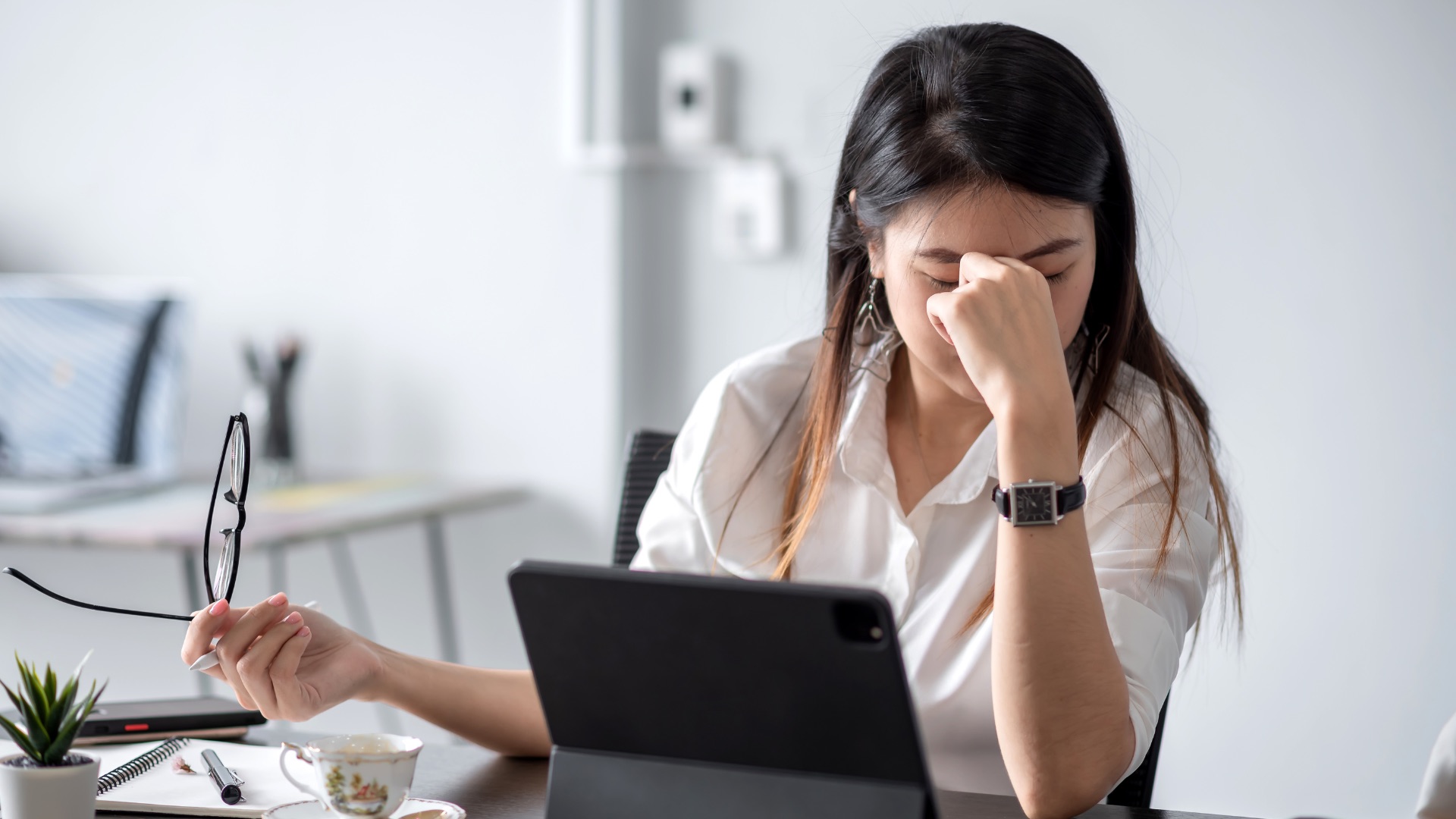
Adopting long-term approaches is crucial for sustaining lifelong resilience against chronic stress and health conditions. While short-term fixes are helpful, true peace comes from deep-seated lifestyle changes that address the root causes of stress. By committing to continuous stress management, you can effectively reduce stress and protect yourself from the cumulative effects of stress over time. Building these enduring foundations ensures that you can successfully cope with stress and maintain vibrant physical and mental health throughout all stages of life.
Building Resilience Against Stress
Developing mental toughness involves reframing negative thoughts, embracing change, and utilizing strong social support networks during difficult times. As you strengthen your psychological fortitude, your ability to deal with stress improves dramatically, keeping your overall levels of stress low. Resilience acts as a shield against stress and anxiety, ensuring that you can navigate life changes without sacrificing your inner stability and peace.
Healthy Lifestyle Choices to Cope with Stress
Making conscious, healthy lifestyle choices is paramount when you want to successfully cope with stress and enhance your daily wellbeing. To protect your physical health and support your body, it is essential to focus on a few key habits:
- Eating a balanced diet
- Getting adequate sleep
- Engaging in regular physical activity
These positive behaviors act as natural stress busters that alleviate muscle tension and improve your body’s natural stress response. By treating your body well, you create a robust defense system that helps reduce stress and promotes lasting vitality.
Seeking Professional Help for Chronic Stress
Sometimes, chronic stress becomes too severe to handle independently, making professional guidance essential for recovery. Therapists and counselors offer specialized tools and practical ways to reduce stress tailored to your unique situation. Seeking expert assistance allows you to uncover hidden causes of stress and learn advanced techniques to manage stress safely. Professional intervention is a courageous, healthy way to reclaim your life, resolve lingering health conditions, and restore your ultimate mental and physical health.
