


Daily Habits: Change Your Life and Transform Your Mindset
Embarking on a journey to cultivate positive daily habits is not merely about ticking off tasks; it’s a profound commitment to personal growth and the cultivation of a resilient mindset. The consistent application of small, intentional practices can dramatically change your life, leading to several significant shifts, including:
- Improved well-being
- An unwavering sense of purpose
This article will delve into how these routines are the bedrock of lasting transformation.
The Importance of Habits in Shaping Your Mindset

Understanding Habits and Their Impact
Habits are the silent architects of our lives, dictating our daily practices and ultimately shaping our mindset. Whether conscious or unconscious, every repeated action, thought, or reaction contributes to the neural pathways that define our default modes of operation. Recognizing the powerful impact of these ingrained routines is the first step towards taking control and making intentional changes in your life. This involves understanding how a habit forms and influences:
- Our mood
- Our motivation
By understanding these aspects, we can strategically cultivate those habits that serve our highest good and help us to overcome challenges.
The profound connection between our mindset and our daily practices cannot be overstated. A positive mindset is not an inherent trait but rather a cultivated state, consistently reinforced by our routines. When we intentionally engage in practices that foster gratitude, mindfulness, and positive thinking, we gradually reprogram our brains to adopt a more optimistic and resilient outlook. This daily commitment to nurturing a positive mindset helps to:
- Reduce stress levels
- Improve mental health
- Equip us with the necessary tools to navigate life’s complexities with greater ease and confidence, ultimately leading to significant life changes.
How Positive Thinking Transforms Your Life
Embracing positive thinking is a transformative strategy that can fundamentally change your life, moving you from overwhelm and stress to a state of greater well-being and resilience. By consciously choosing to reframe negative thought patterns and engaging in positive self-talk, you actively shift your perspective, fostering a growth mindset that views setbacks as opportunities for learning rather than insurmountable obstacles. This consistent practice of optimism and positivity helps to reduce the impact of stress, improves your mood, and builds the mental fortitude needed to achieve your goals and maintain lasting change, truly transforming your life for the better.
Strategies to Develop Positive Habits
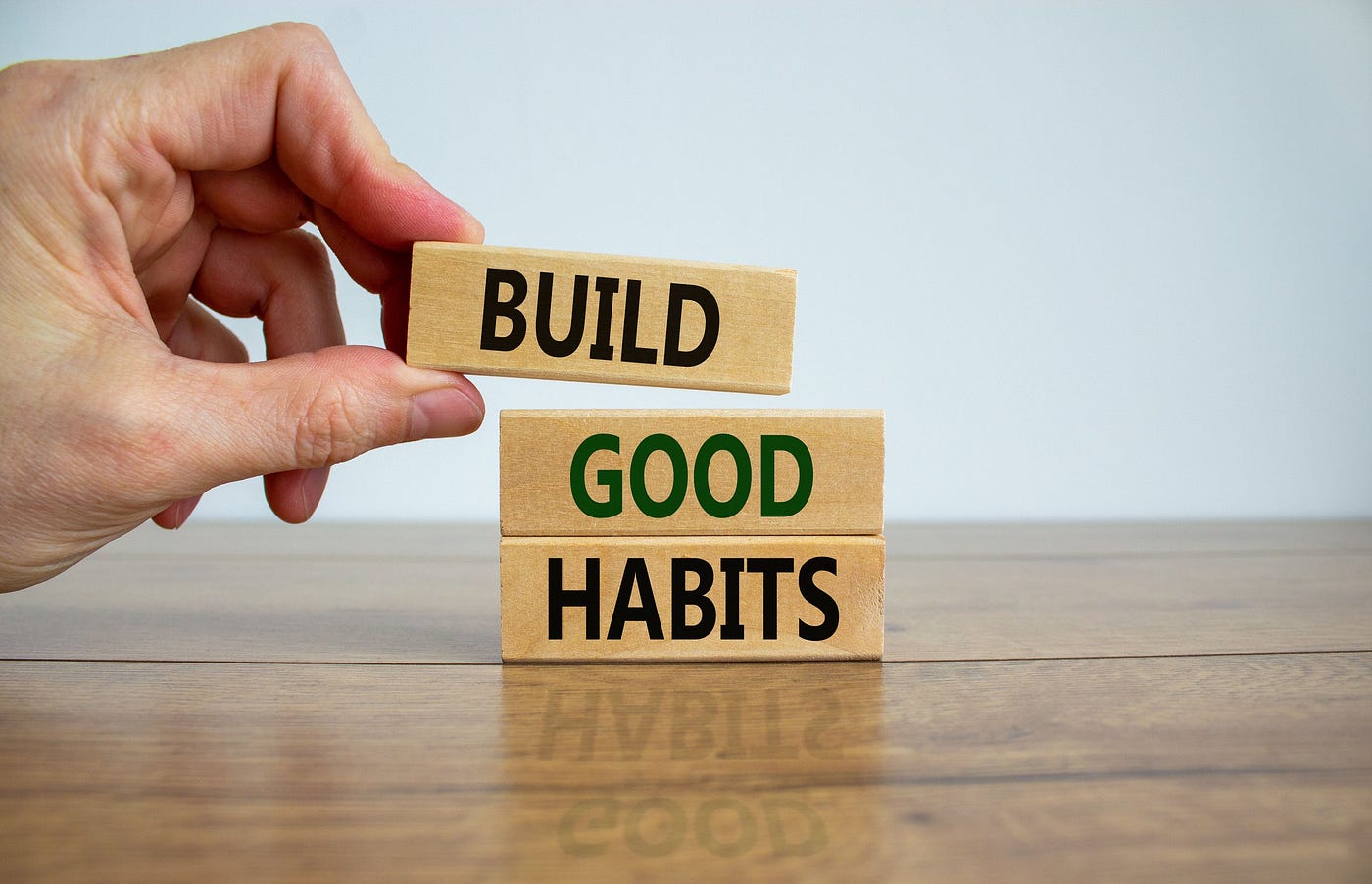
Developing positive habits can gradually transform your life, improve your emotional well-being, and change the way you respond to everyday challenges. You do not need to completely redesign your routine overnight. In fact, small changes are often more sustainable because they feel manageable and allow you to build confidence through consistent progress.
The habits that have transformed my life or positively influenced someone else’s routine often begin with simple decisions: exercising regularly, improving sleep, practicing gratitude, or learning healthier ways to think about difficult situations. Studies show that repeated behaviours can become easier over time as they are integrated into everyday routines. The goal is not to ignore uncomfortable thoughts and feelings, but to develop habits that help you cope better, feel less overwhelmed, and respond to life more constructively.
Starting Small: Building a Sustainable Routine
One of the most effective strategies for developing positive habits is to start with a small, realistic action. Large goals may sound motivating at first, but they can quickly become stressful when your daily schedule, responsibilities, or energy levels change.
Instead of committing to an intense new routine, choose an action that feels easy to repeat. For example, rather than deciding to exercise for two hours every day, begin with a short walk and gradually work towards 30 minutes of regular activity. If you want to read more, start with five pages each evening instead of forcing yourself to complete an entire book in a few days.
Make Your New Habits Manageable
Breaking a goal into smaller steps can help you feel less overwhelmed and more willing to continue. Consider the difference between these approaches:
| Large Goal | Small, Manageable Habit |
|---|---|
| Exercise every day | Walk for 10 minutes after lunch |
| Completely change your diet | Add one nutritious food to a daily meal |
| Meditate for an hour | Pause for two minutes of mindful breathing |
| Stop worrying | Write down one worry and identify what you can control |
| Become more organized | Clear one small area of your workspace |
These small changes create opportunities for regular success. Each completed action reinforces the belief that your abilities can improve through practice and consistency.
Avoid allowing self-criticism to take over when you miss a day. A disrupted routine does not mean you have failed. Take a moment to pause, reflect on what happened, and return to your habit at the next reasonable opportunity.
Focus on Progress Rather Than Perfection
Perfectionist thinking can negatively affect motivation because one mistake may feel like evidence that the entire habit has failed. A more compassionate approach allows you to acknowledge setbacks without abandoning your goal.
Try paying attention to your thoughts and feelings when a routine becomes difficult. Are you tired? Is the habit too complicated? Does your schedule need to change? These observations can help you adjust your routine rather than simply ignore the problem.
A sustainable habit should fit into your real life. When an action feels manageable, you are more likely to repeat it consistently and allow it to positively affect your daily well-being.
Creating Supportive Environments for Change

Your environment can strongly influence how easily you develop and maintain positive habits. The people, objects, and routines you interact with each day may either support your goals or make them unnecessarily difficult.
Creating a supportive environment means removing avoidable obstacles and making positive choices more convenient.
For example, you might:
- Place your walking shoes near the door.
- Keep a water bottle on your desk.
- Remove distracting apps from your phone.
- Prepare healthy food in advance.
- Create a quiet area for reading or meditation.
- Spend time with encouraging and compassionate people.
- Use visible reminders of your goals.
These simple environmental adjustments can reduce the amount of effort required to complete a positive action.
Surround Yourself With Positive Support
The people you regularly interact with can influence your motivation, attitudes, and ways to think about personal growth. Supportive friends, family members, mentors, or communities can encourage you during stressful periods and help you cope better when motivation drops.
This does not mean you should ignore every person who thinks differently from you. Instead, become more aware of how certain interactions affect your energy and behaviour. If an environment consistently influences you negatively, consider setting healthier boundaries or spending more time in spaces that support your goals.
Design Your Space Around the Habits You Want
A cluttered or distracting environment can increase feelings of worry and make everyday tasks feel more difficult. Organizing your physical space may help you feel calmer and less overwhelmed.
To build a reading habit, keep a book within easy reach where you like to relax. If your goal is to exercise for 30 minutes, lay out your workout clothes and equipment in advance. If you want to practice mindfulness, create a quiet, comfortable space where you can focus without distractions.
The easier it is to begin a habit, the less mental resistance you may experience.
Coaching Yourself to Overcome Negative Self-Talk

Negative self-talk can become one of the biggest barriers to lasting behavioural change. Thoughts such as “I’m not disciplined,” “I always fail,” or “I’ll never change” can influence your emotions and behaviour negatively.
Learning to coach yourself involves noticing these cognitive patterns and developing more balanced responses.
Recognize Unhelpful Thought Patterns
The first step is awareness. When you experience self-criticism, take a moment to pause and observe the thought rather than automatically accepting it as fact.
Ask yourself:
- Is this thought completely accurate?
- Am I focusing only on my mistakes?
- Would I speak this way to someone I care about?
- Is there another way to think about this situation?
- What small action can I take next?
This cognitive approach can help you examine your thinking more objectively and respond in a healthier way.
Practice More Compassionate Self-Talk
Being compassionate towards yourself does not mean avoiding responsibility or making excuses. It means acknowledging difficulties while still encouraging yourself to continue.
Instead of saying:
“I failed again. I can’t build good habits.”
Try:
“I missed my routine today, but I can identify what happened and try again tomorrow.”
This shift can reduce excessive self-criticism and help you cope better with setbacks.
Build a Growth-Oriented Mindset
A growth mindset is based on the understanding that skills and abilities can improve through effort, learning, and repeated practice. Rather than seeing challenges as proof that you cannot succeed, view them as information that can help you adjust your approach.
Your daily habits can positively affect your confidence, resilience, and overall outlook. Even a few minutes of mindful reflection, a 30 minutes exercise routine, or one healthier decision can contribute to meaningful progress when repeated consistently.
Developing positive habits is not about eliminating every worry, difficult emotion, or negative thought. It is about learning healthier ways to think, becoming more aware of your thoughts and feelings, and creating routines that help you respond to challenges with greater resilience.
By making small changes, creating a supportive environment, and replacing harsh self-criticism with more compassionate internal coaching, you can feel less overwhelmed and build habits that support lasting personal growth. Over time, these simple daily practices may become the very habits that have transformed my life, improved your ability to cope better, and created meaningful change in the way you live, think, and interact with the world.
Practical Techniques for Lasting Change

Breathing Techniques to Reduce Stress
Incorporating specific breathing techniques into your daily routine is a highly effective strategy to reduce stress and foster a calmer mindset. Conscious breathing practices, such as deep diaphragmatic breathing or the 4-7-8 method, can immediately signal your nervous system to relax, helping to lower stress levels and improve your overall well-being. This mindful practice, when consistently applied, strengthens your capacity to manage stress, providing an invaluable tool for maintaining a positive outlook even amidst challenging circumstances. By making breathing a conscious habit, you actively promote a healthier mental state, facilitating lasting change and a more resilient mindset, allowing you to feel better and approach life with greater equanimity.
Daily Affirmations to Shift Your Self-Talk
Daily affirmations are powerful tools designed to shift your self-talk and cultivate a more positive mindset, fundamentally transforming your life by reinforcing positive beliefs. By consistently repeating affirmative statements, you actively reprogram your subconscious mind, challenging and eventually replacing negative thought patterns with empowering ones. This practice enhances your positive outlook, boosts your motivation, and builds resilience against self-doubt and overwhelm. Embracing this habit helps you to achieve a significant shift in perspective, fostering a growth mindset that supports your goals and contributes to your mental health. Integrating affirmations into your daily habits is a crucial step towards fostering positive thinking and experiencing profound life changes.
Practicing Gratitude for a Positive Mindset
Cultivating a practice of gratitude is an incredibly effective strategy for fostering a positive mindset and experiencing significant changes in your life. By consciously acknowledging and appreciating the good things, however small, you naturally shift your focus away from negativity and toward optimism. This daily habit helps to reduce stress levels, improve your mood, and build resilience, enabling you to overcome challenges with a more hopeful perspective. Consistent gratitude practice enhances your well-being, strengthens your positive outlook, and creates a virtuous cycle of positivity, making it easier to maintain other daily habits and contributing to a healthier, happier you. It is a powerful way to transform your life and embrace a deeply positive mindset.
Maintaining Momentum and Sustaining Change

The Role of Routine in Habit Formation
Establishing a consistent routine is paramount for anchoring new habits and ensuring their lasting change within your life. A well-structured routine acts as a powerful support system, minimizing the need for conscious decision-making and reducing the mental effort required to perform daily habits. When tasks are integrated into a predictable sequence, they become almost automatic, significantly boosting your motivation and making it easier to overcome any initial resistance. This structured approach not only helps to embed positive thinking and mindful practices but also contributes to a healthier mindset by creating a sense of predictability and control, crucial for long-term well-being and managing stress effectively.
Strategies for Staying Motivated and Committed
Sustaining motivation and commitment to your daily habits requires a proactive strategy that addresses potential setbacks and reinforces your positive mindset. Regularly reflecting on your progress, no matter how small, can be a powerful motivator, illustrating the tangible changes in your life and reinforcing your commitment to a positive outlook. Utilizing supportive people, perhaps even a mentor or coach, can provide invaluable encouragement and accountability, helping you to reframe negative self-talk and maintain your optimism during challenging times. By actively seeking ways to boost your motivation and surrounding yourself with support, you foster resilience and ensure the continued practice of habits that lead to lasting change.
Evaluating Progress and Adapting Your Approach
To ensure the long-term success of your daily habits and to continually foster a positive mindset, it is essential to regularly evaluate your progress and be willing to adapt your approach. This mindful practice involves checking in with yourself to see if your current routines are still serving your well-being and helping you to achieve your goals. If you encounter overwhelm or a drop in motivation, it’s an opportunity to reframe your strategy, perhaps by making tasks more achievable or by introducing new forms of support. This flexible approach, focused on continuous improvement rather than perfection, allows for genuine transformation and ensures that your habits remain relevant and effective in transforming your life.
