


How To Improve Communication Skills At Work
In today’s dynamic professional landscape, the ability to communicate effectively is not just a soft skill but a cornerstone of success. This article will explore various strategies and techniques to help you master effective communication and foster a more collaborative and productive work environment.
Understanding Communication Skills
Definition of Communication Skills
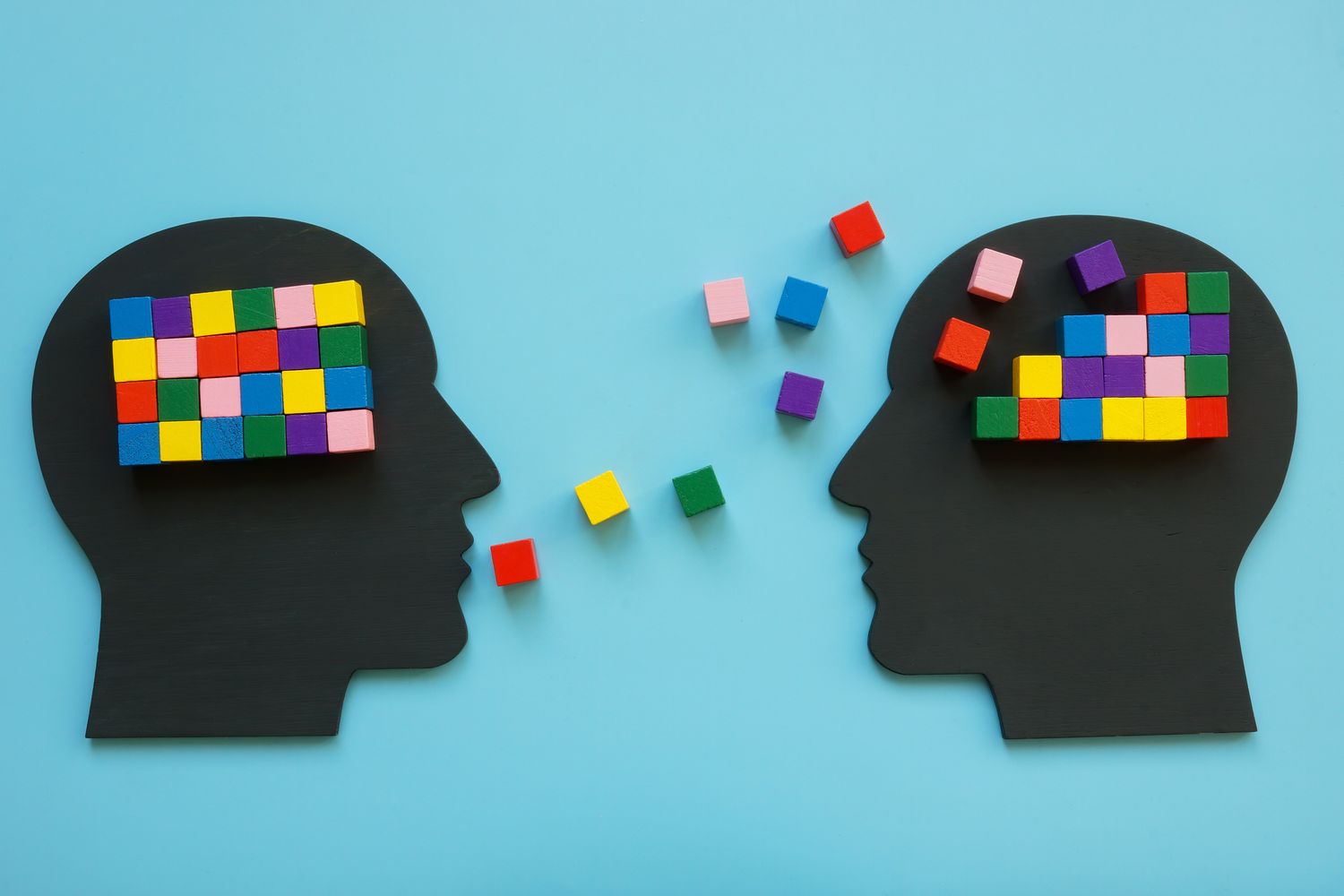
Communication skills encompass a broad range of abilities that enable individuals to convey and receive information effectively. These skills are fundamental to all interpersonal interactions, whether verbal, nonverbal, or written. Developing strong communication skills involves understanding your audience, crafting clear and concise messages, and being adept at interpreting feedback. Ultimately, improving your communication skills contributes significantly to personal and professional growth, empowering you to connect with others more meaningfully and achieve desired outcomes.
The Importance of Effective Communication
The importance of effective communication in the workplace cannot be overstated. When individuals possess strong effective communication skills, it leads to fewer misunderstandings, increased team cohesion, and enhanced productivity. Good communication fosters an environment of psychological safety, where team members feel comfortable expressing their ideas and concerns. Furthermore, improving your communication helps in building stronger relationships, resolving conflicts efficiently, and ensuring that everyone is aligned with common goals. Without clear communication, projects can stall, morale can drop, and opportunities for innovation can be missed.
Types of Communication Skills
There are several key types of communication skills that are essential for workplace success, each playing a vital role in how we interact and exchange information. Verbal communication involves your choice of words, tone of voice, and the clarity with which you speak. Nonverbal communication, on the other hand, includes body language, facial expressions, eye contact, and other nonverbal cues that often convey more than spoken words. Written communication encompasses emails, reports, and other documents, requiring conciseness and accuracy. Lastly, digital communication skills are increasingly important, covering interactions through various online platforms. Mastering these diverse skills can help you become a well-rounded communicator.
Ways to Improve Your Communication Skills
 Strong communication is one of the most valuable skills you can develop, both personally and professionally. Whether you’re leading a team, collaborating with colleagues, or building client relationships, effective communication improves productivity, strengthens trust, and supports career growth. Communication skills include listening, speaking, writing, and understanding nonverbal cues, all of which contribute to stronger workplace relationships and improve workplace communication.
Practicing Active Listening
One of the best ways to improve your communication skills is to become an active listener. Effective communication requires fully understanding what someone is saying before responding. When you engage in active listening, you build trust, reduce misunderstandings, and improve collaboration.
Good active listening involves paying attention to both spoken words and nonverbal signals such as facial expressions, gestures, and the tone of your voice. This helps you understand the complete message rather than just the words.
To strengthen this skill:
- Give the speaker your full attention.
- Make eye contact to show your interest.
- Avoid interrupting while the person is saying their thoughts.
- Don’t rush to fill the silence.
- Ask clarifying questions.
- Summarize key points to confirm understanding.
- Encourage the speaker before offering your own opinion.
These simple steps you can take create a place for effective collaboration, improve teamwork, and strengthen your ability to work together as a team.
Utilizing Nonverbal Communication
Nonverbal communication is often just as important as what you say. Your posture, facial expressions, gestures, eye contact, and overall demeanor all help convey a message. When your body language supports what you’re trying to convey, your communication becomes more authentic and persuasive.
To improve your nonverbal communication:
- Use positive body language with an open posture.
- Avoid crossing your arms, which may appear defensive.
- Maintain comfortable eye contact.
- Smile naturally when appropriate.
- Use purposeful hand gestures.
- Pay attention to the tone as well as pace of your speech.
A skilled communication expert understands that verbal and nonverbal communication work together. Developing emotional intelligence helps you interpret these signals and communicate more effectively.
| Nonverbal Aspect | Potential Impact of Mismatch |
|---|---|
| Facial expressions | If you speak enthusiastically but appear expressionless, your message loses credibility. |
| Posture, gestures, overall demeanor | Conflicting signals can create misunderstanding and distrust. |
Improving Written Communication
Strong written communication is essential for emails, reports, proposals, presentations, and digital collaboration. Clear writing helps prevent confusion while enhancing your professional reputation.
To improve your written communication:
- Organize ideas logically with headings and bullet points.
- Keep your message straight to the point.
- Choose the right tone for your audience.
- Use concise, professional language.
- Spend a few minutes proofreading before sending.
- Ask a trusted colleague to review important documents.
- Request feedback to understand how your writing is received.
Improving your business communication skills helps you improve your professional image while making communication clearer and more efficient.
Developing Better Verbal Communication Skills
Strong verbal communication allows you to express ideas confidently, lead meetings, deliver presentations, and build stronger relationships. To improve verbal communication skills, focus on clarity, confidence, and empathy.
Helpful techniques include:
- Think before speaking.
- Adapt your communication style to different audiences.
- Speak clearly and confidently.
- Control your pace and volume.
- Focus on the message you want to communicate.
- Practice empathy when trying to communicate difficult topics.
Balancing speaking with listening creates better conversations and contributes to an effective team environment.
Building Better Workplace Communication
Organizations perform better when communication is open, respectful, and consistent. Leaders should set an example by communicating clearly and encouraging collaboration.
To help improve workplace communication:
- Encourage open discussions.
- Promote honest feedback.
- Clarify expectations early.
- Share knowledge across departments.
- Need to set clear communication standards.
- Encourage employees to work together as a team.
- Recognize excellent communication habits.
As your professional communication skills improve, you’ll naturally become more confident, build stronger relationships, improve teamwork, and contribute to long-term professional success.
Mastering Effective Communication Techniques

Strong communication is one of the most valuable professional and personal skills you can develop. Effective communication goes far beyond simply exchanging information—it involves ensuring your message is understood, building trust, encouraging collaboration, and creating meaningful relationships. Whether you’re communicating with colleagues, clients, managers, or customers, mastering communication techniques can improve productivity, reduce misunderstandings, and strengthen teamwork.
The following techniques will help you develop stronger communication habits, improve your professional relationships, and enhance your overall communication abilities.
Being Clear and Concise
Being clear and concise is one of the most effective ways to improve your communication skills. People are far more likely to communicate successfully when messages are simple, organized, and easy to understand. Whether you’re delivering a presentation, writing an email, or participating in a meeting, eliminating unnecessary words helps your audience focus on the information that matters most.
Strong communication doesn’t mean saying more—it means saying exactly what needs to be said. This communication can help reduce confusion, eliminate costly mistakes, and improve workplace efficiency. Clear messaging also demonstrates confidence, professionalism, and respect for other people’s time.
To communicate with greater clarity:
- Organize your thoughts before speaking or writing.
- Focus on one key message at a time.
- Use simple language instead of unnecessary jargon.
- Support important points with relevant examples.
- Remove repetitive or irrelevant information.
- Finish with a clear summary or call to action.
Being concise doesn’t mean leaving out important information. Instead, it means communicating with purpose so every sentence adds value. This approach helps keep your audience engaged, improves comprehension, and ensures your message is remembered long after the conversation ends.
Watching Your Tone
The words you choose matter, but how you say them is equally important. Your tone of voice can completely change how your message is interpreted, making tone one of the most overlooked aspects of effective communication.
A calm, respectful, and confident tone encourages collaboration, while an impatient, sarcastic, or aggressive tone can quickly create misunderstandings—even when your actual words are appropriate. Being aware of your tone helps build trust, strengthen relationships, and improve communication in both professional and personal environments.
When improving your tone:
- Speak confidently without sounding confrontational.
- Match your tone to the situation and your audience.
- Slow your pace during important conversations.
- Avoid sounding rushed or defensive.
- Stay calm during disagreements or difficult discussions.
- Use positive, encouraging language whenever possible.
Remember that written communication also has tone. Emails, instant messages, and social media posts can easily be misunderstood without vocal cues, so choose your wording carefully and review important messages before sending them.
Developing greater awareness of your tone allows your verbal message and emotional delivery to work together, resulting in stronger communication and more productive conversations.
Using Emotional Intelligence
Emotional intelligence is one of the most valuable communication skills you can develop. It involves understanding your own emotions while recognizing and responding appropriately to the emotions of others. High emotional intelligence enables professionals to communicate with empathy, remain calm under pressure, and resolve conflicts more effectively.
Strong emotional intelligence also improves your ability to adapt your communication style to different personalities and situations. Whether you’re leading a team, negotiating with clients, or supporting colleagues, emotional awareness helps your message connect more effectively.
To strengthen emotional intelligence in communication:
- Listen before reacting.
- Practice empathy by considering another person’s perspective.
- Pay attention to facial expressions and body language.
- Recognize emotional triggers and manage your responses.
- Stay open-minded during discussions.
- Adjust your communication style based on your audience.
Using emotional intelligence is a powerful form of communication by using empathy rather than assumption. It helps you build stronger relationships, create mutual respect, and communicate with greater confidence and authenticity.
Combining These Techniques for Better Communication
The most successful communicators don’t rely on a single technique—they combine clarity, tone, active listening, and emotional intelligence to create meaningful conversations. Together, these skills improve collaboration, strengthen professional relationships, and make every interaction more productive.
Developing these communication habits takes practice, but the rewards are significant. Strong communication skills can help you become a better leader, improve customer relationships, increase workplace collaboration, and communicate confidently in virtually any situation. By continually refining these techniques, you’ll enhance your overall communication, build trust more easily, and become a more effective communicator in every aspect of your personal and professional life.
Enhancing Workplace Communication

Creating a Culture of Open Dialogue
Creating a culture of open dialogue is fundamental to enhancing workplace communication and developing effective communication skills across the organization. When employees feel safe and encouraged to share their ideas, concerns, and feedback freely, it significantly improves communication flow and fosters an environment of psychological safety. This open communication ensures that everyone feels valued and heard, which is essential for collaborative problem-solving and innovation. Leaders play a crucial role in modeling this behavior, demonstrating that constructive input is not only welcomed but actively sought after, thereby reinforcing the importance of every individual’s contribution to good communication.
To cultivate this culture, establish regular forums for discussion and ensure that all employees understand the various channels available for open communication. This might include team meetings where everyone has a voice, suggestion boxes, or dedicated one-on-one sessions with managers. When there’s a clear expectation for two-way communication, it naturally leads to better understanding and fewer misunderstandings. Consistently promoting transparent communication practices helps to improve communication skills throughout the team and ensures that all members feel empowered to communicate effectively, ultimately strengthening overall workplace communication.
Encouraging Feedback and Collaboration
Encouraging feedback and collaboration is vital for enhancing workplace communication and is a key way to improve your communication skills within a team setting. When feedback is exchanged regularly and constructively, it creates a continuous loop of learning and improvement, fostering effective communication. This practice not only helps individuals understand their strengths and areas for development but also strengthens interpersonal skills as team members learn to give and receive information respectfully. Collaboration, on the other hand, requires individuals to communicate effectively, share ideas, and work together towards common goals, which naturally improves communication.
To foster a culture of feedback and collaboration, implement structured opportunities for sharing insights and working together. This could involve peer feedback sessions, cross-functional projects, or brainstorming meetings where diverse perspectives are welcomed. Emphasize that feedback should be specific, actionable, and delivered with a focus on growth, which is a hallmark of good communication. By actively encouraging team members to communicate, share their main points, and engage in two-way dialogue, organizations can significantly improve communication skills and cultivate a more cohesive and productive workplace communication environment.
Overcoming Communication Barriers
Overcoming communication barriers is a critical step in enhancing workplace communication and ensuring that effective communication can truly flourish. These barriers can manifest in various forms, such as differing communication styles, cultural differences, hierarchical structures, or even physical distances. Recognizing and addressing these obstacles is paramount to improving your communication and fostering a more inclusive and efficient workplace. When barriers are removed, it allows for clear communication to flow unimpeded, reducing the likelihood of misunderstanding and promoting a more harmonious work environment.
To improve communication by overcoming these hurdles, actively identify potential barriers within your team or organization. For example, if cultural differences are an issue, invest in diversity and inclusion training that highlights different communication styles. If a hierarchical structure stifles open communication, leadership can encourage more flat communication channels. Regularly seeking clarification and employing active listening can help bridge gaps caused by various barriers, ensuring that all team members can communicate effectively. By proactively tackling these challenges, you significantly improve communication skills across the board and strengthen your overall workplace communication strategy.
Additional Tips and Strategies
Ways You Can Improve Communication Daily
There are numerous practical ways you can improve communication daily, making incremental changes that cumulatively enhance your communication skills. Start by consciously practicing active listening in every conversation, making sure you fully understand the speaker’s main points before responding. Pay close attention to nonverbal cues and body language, both your own and others’, to gain a fuller picture of the message being conveyed. Taking a moment to organize your thoughts before speaking or writing helps you to be more clear and concise, ensuring effective communication.
Additionally, make an effort to ask clarifying questions when something is unclear, rather than making assumptions, which is a cornerstone of good communication. Practice empathy by trying to understand situations from another’s perspective, which builds emotional intelligence and strengthens interpersonal skills. Seek opportunities to give and receive feedback regularly, as this two-way communication is crucial for growth. By consistently integrating these ways to improve into your daily interactions, you will steadily improve your communication skills and contribute positively to overall workplace communication.
Tools to Facilitate Better Communication
Utilizing various tools to facilitate better communication is essential in today’s diverse work environments, helping to improve communication skills and streamline workplace communication.
| Tool | Benefit for Communication |
| Project management software | Centralized platform for updates, document sharing, and progress tracking, fostering clear communication. |
| Instant messaging applications | Enable quick, informal exchanges. |
| Video conferencing tools | Allow face-to-face interactions for remote teams, maintaining connection and interpreting nonverbal cues. |
These digital communication tools, when used effectively, can significantly reduce misunderstanding and improve communication across geographical boundaries. Training employees on how to use these tools efficiently and establishing best practices for digital communication are crucial steps. For example, setting guidelines on response times for messages or encouraging concise written communication in emails can further enhance their utility. By strategically integrating and leveraging these resources, organizations can notably improve communication skills, promote effective communication, and enhance their overall workplace communication strategy.
Continuously Assessing Your Communication Skills
Continuously assessing your communication skills is a proactive and ongoing process vital for sustained personal and professional growth, enabling you to master effective communication. Self-reflection is a powerful tool; regularly review your interactions, both successful and challenging, to identify patterns and areas for improvement. Ask yourself if you were clear and concise, if you practiced active listening, and if your body language and tone of voice conveyed the intended message. This self-assessment helps you to understand your current communication style and pinpoint specific aspects to improve communication.
Beyond self-reflection, actively seek feedback from peers, supervisors, and subordinates on your communication style. Constructive criticism provides invaluable external perspectives on how you communicate effectively and where you might need to improve your speaking or written communication. Consider formal training programs or workshops that focus on specific communication skills, such as presentation skills or conflict resolution. By consistently evaluating and refining your approach, you will not only improve your communication skills but also demonstrate a commitment to lifelong learning, becoming a more adaptable and effective communicator in all aspects of workplace communication.
