


Career Advancement: Your Guide to Career Goals & Development
Welcome to your comprehensive guide on career advancement. In today’s dynamic professional landscape, proactively managing your career trajectory is more crucial than ever. This article will equip you with the knowledge and strategies to define, pursue, and achieve your career goals, fostering continuous professional growth and opening doors to new opportunities.
Understanding Career Advancement

What is Career Advancement?
Career advancement encompasses the journey of progressing within your chosen field, often involving promotions, increased responsibilities, higher compensation, or a shift towards more fulfilling roles. It’s about taking intentional steps to advance your career, moving beyond your current position to a place of greater professional growth and influence. This process is not merely about upward mobility; it can also involve expanding your skill set, acquiring new skills, or exploring different facets of your industry to build a robust career path. Achieving your career advancement goals often requires a blend of:
- Strategic planning
- Continuous learning
- Effective networking
The Importance of Career Goals
Setting clear career goals is the cornerstone of any successful career path. Without well-defined objectives, your professional journey can lack direction, making it difficult to measure progress or capitalize on advancement opportunities. Career goals provide a roadmap, guiding your decisions regarding professional development, skill acquisition, and even your choice of employers. They empower you to envision your ideal future and work backward to identify the necessary steps to achieve your career aspirations. Both short-term goals, like completing a certification, and long-term goals, such as reaching a leadership position, are vital for sustained professional growth and career success.
Defining Career Development
Career development is an ongoing, systematic process of enhancing your professional capabilities and experiences to achieve your career goals. It involves a continuous commitment to learning, acquiring new skills, and refining existing ones to stay relevant and competitive in your industry. This can include:
- Formal education
- Certifications
- Mentorship
- Experiential learning through challenging projects
Effective career development strategies often involve creating a personal development plan, setting SMART goals, and actively seeking out professional development opportunities. By consistently investing in your career development, you build a strong foundation for sustained professional growth and open pathways for future career advancement.
Setting and Achieving Career Goals

Tips for Setting Career Goals
Setting effective career goals is the first crucial step towards successful career advancement. To truly achieve your career goals, begin by making them SMART:
- Specific: Rather than vaguely stating you “want to advance your career,” define a clear long-term goal, such as “become a Senior Project Manager within five years.”
- Measurable: Break down your long-term career goals into smaller, manageable short-term goals or milestones. For instance, a short-term goal could be completing a project management certification within the next six months.
- Achievable
- Relevant
- Time-bound
Regularly review and adjust your career path as you gain new skills and encounter new opportunities, ensuring your professional development remains aligned with your overarching career trajectory.
Long-term Career Planning
Long-term career planning is essential for sustained professional growth and helps you navigate your career path with purpose. It involves envisioning where you want to be several years down the line and then strategizing the steps needed to get there. Consider what skills you need to acquire, what professional development opportunities would be most beneficial, and what kind of roles would contribute to your long-term career goals. This proactive approach allows you to identify potential advancement opportunities and prepare for them, rather than reacting to circumstances. By having a clear long-term goal, you can make informed decisions about job changes, further education, or even seeking out a mentor to guide your career development.
Creating a Development Plan
A well-structured development plan is your personal roadmap to achieving your career goals and fostering continuous career development. This plan should detail the specific skills you need to acquire, the professional development goals you aim to reach, and the timeline for each. For example, if your long-term goal is a leadership position, your development plan might include developing leadership skills through specific training, taking on projects that build your skill set, or seeking mentorship. Identify key milestones and resources, such as online courses, certifications, or networking events, to support your professional growth. Regularly update your development plan to reflect your progress and any new opportunities that arise, ensuring you stay on track to advance your career.
Strategies to Advance Your Career

Achieving meaningful professional advancement requires more than simply working hard—it involves having a clear vision, developing relevant skills, building strong professional relationships, and continuously adapting to an evolving workplace. Whether you’re beginning a new career, seeking a promotion, changing industries, or preparing for a leadership role, a well-structured strategy can help you make consistent career progress and position yourself for long-term success.
Every career journey is unique, but professionals who set clear goals, continuously learn, and actively seek opportunities are often the ones who successfully advance in your career and achieve lasting fulfillment. By investing in your personal and professional growth, you’ll build a strong foundation for sustainable success along your career.
Effective Career Advancement Strategies

Successfully moving toward career advancement starts with creating a structured plan that supports both your immediate objectives and your future ambitions. Rather than waiting for opportunities to appear, take a proactive approach by identifying the skills, experiences, and achievements needed for your desired career path.
A strategic career development plan should include measurable objectives, ongoing learning, and regular self-assessment to ensure your actions continue to align with your career aspirations.
Set Clear Career Goals
Every successful career advancement journey begins with setting meaningful objectives.
Your goals are specific, measurable, achievable, relevant, and time-bound (SMART), allowing you to track your progress effectively.
Consider setting both:
- Short- and long-term goals
- Professional development objectives
- Leadership milestones
- Salary goals
- Promotion targets
- Certification goals
Breaking large goals into smaller milestones makes your ambitions feel more achievable while helping you stay motivated throughout your career development journey.
Evaluate Your Skills Regularly
Take time to assess your current strengths and identify areas where additional learning could help your career.
Ask yourself:
- Which technical skills should I improve?
- What leadership qualities do I need?
- Which certifications would strengthen my résumé?
- What experiences would prepare me for the next role?
Continuous self-evaluation ensures your professional growth remains aligned with your evolving career ambitions.
Seek Opportunities Within Your Workplace
Many of the best advancement opportunities already exist within your company.
Volunteer for:
- Cross-functional projects
- Leadership initiatives
- Team presentations
- Mentoring programs
- Process improvement projects
Working across different parts of the organization increases your visibility while exposing you to new responsibilities that demonstrate your readiness for promotion.
Likewise, taking on additional responsibilities within your organization can accelerate your movement up the career ladder.
Stay Flexible
Career plans naturally evolve over time.
New industries emerge, technology changes, and personal priorities shift.
Regularly reviewing your progress and adjusting your goals allows your development plan to remain relevant throughout every stage of your career.
Remaining adaptable also positions you to explore new opportunities as they arise.
Mentorship and Networking Opportunities
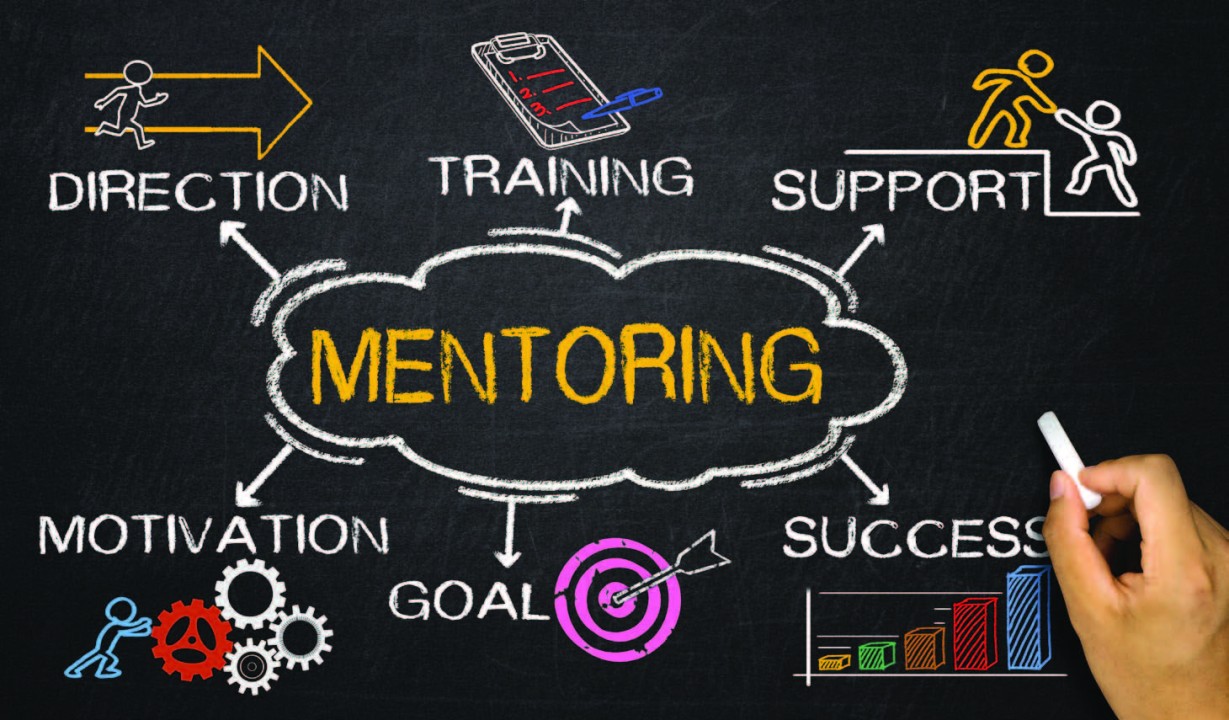
Few investments provide greater value than building meaningful professional relationships.
Experienced mentors and a strong network can provide guidance, encouragement, industry insights, and access to opportunities that may not be publicly advertised.
Work with a Career Coach
Partnering with an experienced career coach can dramatically accelerate your professional development.
A career coach can help you:
- Clarify your goals
- Improve interview skills
- Build confidence
- Develop leadership abilities
- Prepare for promotions
- Navigate career transitions
They also provide objective feedback that supports long-term career progress and keeps your plans aligned with your evolving ambitions.
Find a Mentor
A mentor who has successfully navigated a similar career can offer practical advice based on real-world experience.
Whether you’re pursuing management or exploring a completely new career, learning from someone whose career path reflects your aspirations can shorten your learning curve considerably.
Mentors often help professionals:
- Avoid common mistakes
- Build confidence
- Develop leadership skills
- Expand professional networks
- Identify hidden opportunities
Expand Your Professional Network
Networking remains one of the most effective ways to advance their careers.
Grow your network by:
- Attending industry conferences
- Joining professional associations
- Participating in webinars
- Connecting through LinkedIn
- Joining networking events
- Engaging in online communities
Building relationships across your industry can introduce you to new employers, collaborators, mentors, and exciting career possibilities.
These connections often create opportunities for long-term professional success that extend well beyond your current position.
Certification and Skill Development
Continuous learning is essential for anyone serious about creating a career that remains competitive in today’s rapidly changing workplace.
The willingness to learn and advance your skills demonstrates initiative, adaptability, and commitment to professional excellence.
Invest in Professional Certifications
Earning respected certifications strengthens your qualifications while increasing your credibility with employers.
Popular certifications may include:
- Project Management
- Digital Marketing
- Cybersecurity
- Human Resources
- Finance
- Data Analytics
- Leadership Development
- IT Certifications
Professional credentials demonstrate expertise and often improve your eligibility for promotions and higher-paying positions.
Prioritize Leadership Development
Technical expertise alone is rarely enough for senior positions.
Strong leadership development prepares professionals to manage teams, solve complex problems, communicate effectively, and inspire others.
Developing leadership capabilities supports both immediate promotions and long-term success throughout your path to career growth.
Commit to Lifelong Learning
Professional learning should never stop.
Continue expanding your knowledge by:
- Taking online courses
- Reading industry publications
- Attending workshops
- Participating in seminars
- Learning new software
- Developing communication skills
Every new competency you acquire development helps strengthen your overall professional profile and prepares you for future opportunities.
Explore New Career Possibilities
Sometimes the best opportunity involves stepping into a different role or industry.
Don’t be afraid to explore career options beyond your current position.
Take time for career exploration by researching emerging industries, speaking with professionals, or completing skills assessments to explore what career best matches your interests and strengths.
Whether you’re actively pursuing career growth in your current field or considering an entirely new career, remaining open to change allows you to discover exciting possibilities that may better suit your goals and lifestyle.
Tips for Setting and Achieving Career Goals

Successful professionals understand that meaningful advancement requires both planning and consistent action.
These tips for setting and achieving your goals can help accelerate your success:
- Define clear goals that support your long-term vision.
- Create both short- and long-term goals for continuous progress.
- Review your development plan every few months.
- Seek regular feedback from managers and mentors.
- Continue learning throughout your development journey.
- Build relationships inside and outside your workplace.
- Volunteer for challenging assignments.
- Regularly adjusting your goals as your priorities evolve.
- Celebrate milestones throughout your career advancement journey.
Build a Career That Continues to Grow
Every successful professional follows a unique advancement path, but one principle remains consistent: intentional growth creates opportunity.
Whether your objective is to climb the career ladder, improve leadership capabilities, transition into management, or simply improve job satisfaction, every step you take contributes to your overall professional life and future success.
By continuously learning, expanding your network, strengthening your expertise, and remaining open to new experiences, you’ll steadily progress in your career, confidently advance in your career, and build a rewarding future that truly aligns with your ambitions. Your ongoing career development journey will not only help you reach your immediate objectives but also create lasting success throughout every stage of your professional life.
Career Development Goals for Professional Growth

Identifying Your Development Goals
Identifying your development goals is a foundational step in steering your career path towards sustained professional growth and ensuring you achieve your career goals. This process involves a thoughtful assessment of your current skill set, identifying areas for improvement, and pinpointing the specific knowledge or expertise required for your desired career advancement. Consider what professional development opportunities would best serve your long-term career aspirations. Do you need to acquire new leadership skills, enhance your project management capabilities, or gain a specific certification? Clearly defined development goals act as a compass, guiding your efforts and making it easier to track your progress towards a successful career trajectory.
Aligning Personal and Professional Aspirations
Aligning personal and professional aspirations is crucial for long-term career success and overall job satisfaction. Your career development goals should ideally resonate with your personal values and life objectives, creating a holistic approach to your professional growth. When your professional goals are in harmony with what truly matters to you personally, you’re more likely to stay motivated, overcome challenges, and genuinely want to achieve your career objectives. This alignment often reveals new opportunities for career advancement that might not have been apparent otherwise, making your career path feel more fulfilling and sustainable. It’s about ensuring your development plan supports both your professional ambitions and your personal well-being.
Tracking Your Progress
Effectively tracking your progress is indispensable for ensuring your career development efforts translate into tangible career advancement. Once you set goals, regularly monitoring your short-term goal milestones and long-term career goals allows you to assess what’s working and what needs adjustment in your development plan. This could involve reviewing your professional development goals monthly, updating your skill set on LinkedIn, or discussing your progress with a mentor. Consistent tracking not only keeps you accountable but also provides a clear picture of your professional growth, highlighting areas where you’ve gained new skill sets and where further focus is needed to advance your career effectively.
Tips for Career Growth

Building a Strong Professional Network
Building a strong professional network is one of the most vital tips to advance your career and achieve sustained professional growth. A robust professional network can open doors to new opportunities, provide invaluable insights into industry trends, and connect you with potential mentors or collaborators. Actively engaging on platforms like LinkedIn, attending industry events, and nurturing relationships with colleagues and peers are excellent ways to expand your network. These connections can offer advice on leadership skills, recommend you for advancement opportunities, or even inform you about potential job openings that align with your long-term career goals. Remember, networking is a continuous process of giving and receiving support.
Continuous Learning and Improvement
Continuous learning and improvement are non-negotiable for anyone aspiring to achieve their career goals and ensure long-term career success. The professional landscape is constantly evolving, requiring individuals to consistently acquire new skills and refine existing ones to maintain their competitive edge. This commitment to professional development can involve pursuing certifications, enrolling in online courses to develop leadership skills, or simply dedicating time to learning from industry publications. By making continuous learning a core part of your development plan, you not only enhance your current skill set but also position yourself for future career advancement, opening up new opportunities for professional growth and innovation within your chosen career path.
Understanding Advancement Goals
Understanding your advancement goals is pivotal for strategic career development and achieving your desired career trajectory. Advancement goals go beyond just getting a promotion; they involve a clear vision of the roles, responsibilities, and impact you aspire to have within your industry or organization. To effectively advance your career, it’s essential to define these advancement goals with clarity, making them specific and measurable. Whether it’s to become a project manager, lead a team, or transition into a specialized area, having well-articulated professional goals helps you identify the necessary skill set, seek appropriate mentorship, and create a development plan that will lead to meaningful professional growth and long-term career success.
